
The Middle East witnessed a rare moment of calm as Israel and Iran agreed to halt fighting, following weeks of escalating tensions that had drawn global concern. The ceasefire, though fragile, comes amid mounting pressure from international actors urging restraint and dialogue.
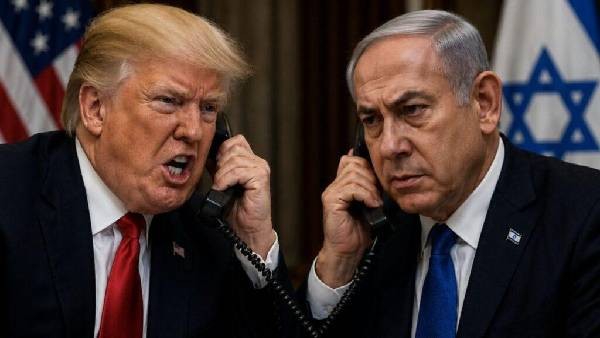
Former US President Donald Trump added his voice to the unfolding situation, warning Israeli Prime Minister Benjamin Netanyahu against missteps that could reignite hostilities. Trump’s remarks underscored the delicate balance of power in the region and the risks of miscalculation. His intervention reflects Washington’s continued interest in shaping outcomes in the Middle East, even as domestic priorities dominate headlines.
The ceasefire agreement between Israel and Tehran is seen as a temporary reprieve rather than a lasting solution. Analysts caution that underlying disputes remain unresolved, particularly regarding Iran’s regional influence and Israel’s security concerns. Both nations have historically struggled to maintain long-term peace, with previous truces often collapsing under renewed military pressure.
For Netanyahu, Trump’s warning carries political weight. The Israeli leader faces scrutiny at home and abroad over his handling of security matters, and the pause in fighting offers a brief opportunity to recalibrate strategy. Meanwhile, Tehran’s decision to halt hostilities may be influenced by economic pressures and the desire to avoid further isolation on the global stage.
International observers note that the ceasefire could open the door for renewed diplomatic engagement. However, skepticism remains high, given the entrenched mistrust between the two sides. The United States, under Trump’s watchful eye, may seek to leverage its influence to encourage dialogue, though critics argue that Washington’s approach has often favored short-term gains over sustainable peace.
As the region watches closely, the halt in fighting serves as a reminder of how quickly tensions can escalate and how precarious stability remains. Whether this pause evolves into a broader peace initiative or simply delays inevitable clashes will depend on the willingness of leaders in Jerusalem and Tehran to prioritize diplomacy over confrontation.