
The Delhi government has unveiled its ambitious new Electric Vehicle (EV) policy, setting a clear timeline for phasing out petrol and CNG vehicles while encouraging the adoption of electric alternatives. This landmark initiative aims to transform the capital into a cleaner, more sustainable city by reducing vehicular emissions and promoting eco-friendly transportation.
From January 1, 2027, only electric auto-rickshaws will be registered in Delhi. This move is expected to significantly cut down pollution levels, as auto-rickshaws form a large part of the city’s public transport system. By mandating electric registrations, the government hopes to accelerate the transition to greener mobility solutions.
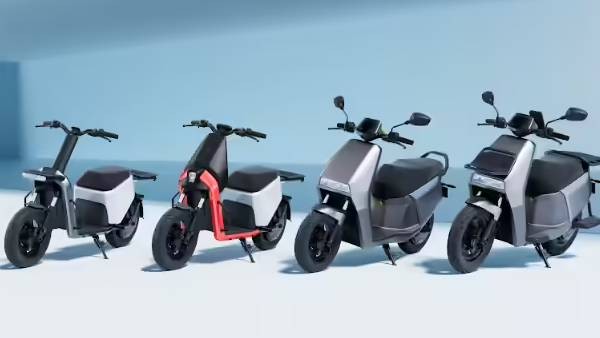
The policy also sets a crucial deadline for two-wheelers. Starting April 1, 2028, the registration of new petrol and CNG two-wheelers will be discontinued. This bold step underscores Delhi’s commitment to reducing dependence on fossil fuels and encouraging citizens to embrace electric alternatives.
To make the transition smoother, the government has announced attractive subsidies for buyers. During the first year of the new policy, purchasers of electric two-wheelers will receive a subsidy of up to ₹30,000. Similarly, buyers of electric three-wheelers will be eligible for a subsidy of ₹50,000. These incentives are designed to make EVs more affordable and accessible, thereby boosting adoption rates among the masses.
However, the policy makes it clear that no subsidies will be provided for hybrid vehicles. By excluding hybrids, the government is signaling its intent to push for a complete shift toward fully electric mobility rather than partial solutions. This decision reflects a long-term vision of achieving zero-emission transport in the capital.
Key Highlights of the Policy
Only electric auto-rickshaws from January 1, 2027
No new petrol or CNG two-wheelers from April 1, 2028
₹30,000 subsidy for electric two-wheelers in the first year
₹50,000 subsidy for electric three-wheelers in the first year
No subsidy for hybrid vehicles
Delhi’s new EV policy is a bold and forward-looking step toward sustainable urban mobility. By setting clear deadlines, offering financial incentives, and focusing exclusively on electric vehicles, the government is laying the foundation for a cleaner, greener future. While challenges such as infrastructure development and public acceptance remain, this policy marks a decisive move in India’s journey toward reducing carbon emissions and embracing eco-friendly transportation.