
A recently circulated morphed poster featuring Varun Dhawan alongside actresses Mrunal Thakur and Pooja Hegde—allegedly linked to the film Hai Jawani Toh Ishq Hona Hai—has sparked fresh concerns about how artificial intelligence is being misused in photo editing. The image, widely shared on social media, appeared to be altered using AI tools, raising questions about authenticity, consent, and the risks of misleading visual content.
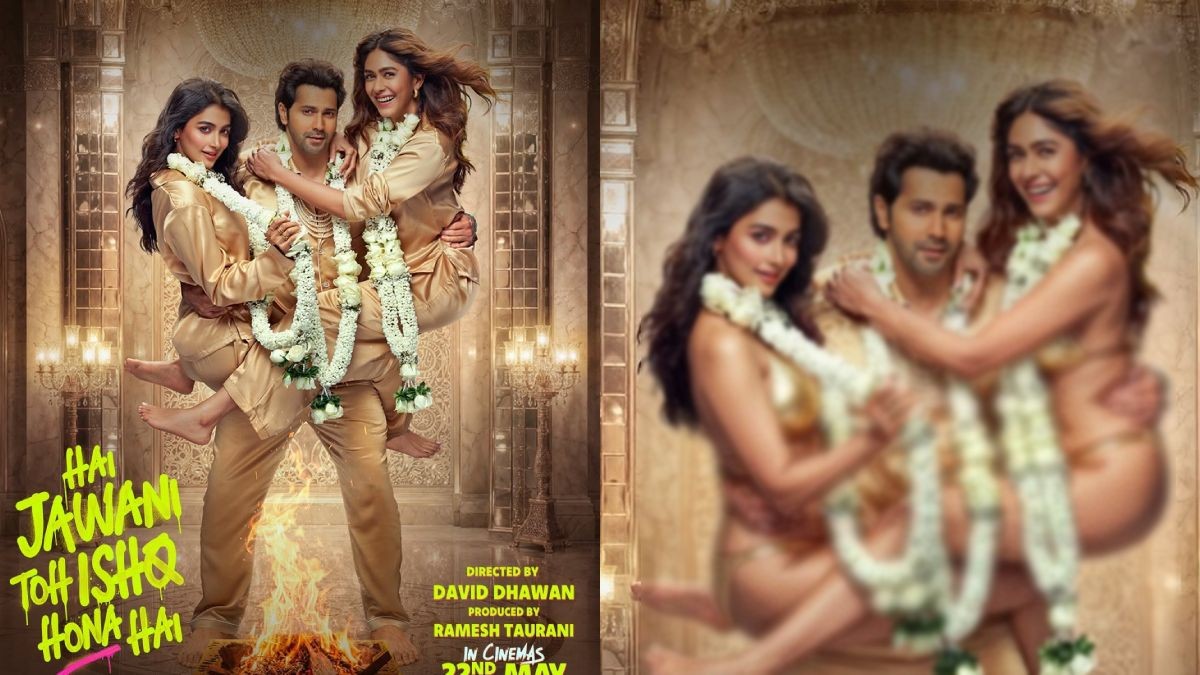
AI-powered photo editing tools have made it easier than ever to create highly realistic images within minutes. While these technologies offer creative benefits, they also carry serious risks when used irresponsibly. Morphed celebrity images can spread rapidly, misleading audiences into believing false visuals are official promotional material. In cases involving actors or public figures, such images can damage reputations and create confusion among fans.
One major concern is the lack of consent. When AI-generated or morphed visuals depict individuals in altered or inappropriate contexts, it crosses ethical boundaries. Even if created as a joke or experiment, such content can affect personal image, brand value, and professional credibility. Celebrities, especially those associated with film promotions, are particularly vulnerable because audiences often trust posters and visuals released online.
Another challenge is misinformation. Fake posters or edited images can easily be mistaken for official releases, especially when they include film titles or branding elements. This not only misleads viewers but also affects marketing campaigns planned by filmmakers and production houses.
The incident highlights why stronger awareness and digital responsibility are essential. Users must verify sources before sharing visuals, and content creators should think carefully before generating or posting altered images. As AI tools become more advanced, responsible usage will be the key to preventing misuse and protecting both public figures and everyday individuals from digital harm.