
A controversy has emerged in India after a case was filed against social media personalities Nividetha Gowda and Kishan for featuring peacock feathers in their Instagram reels. The incident has drawn attention to the legal and cultural sensitivities surrounding the use of peacock feathers, which are protected under Indian wildlife laws.
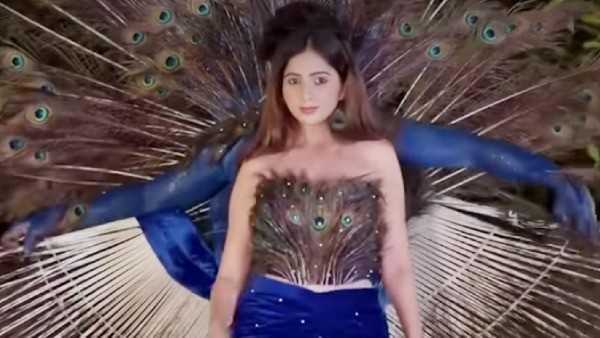
The peacock, India’s national bird, holds deep cultural and religious significance. While naturally shed feathers are often collected and used in traditional practices, the Wildlife Protection Act prohibits commercial exploitation or misuse that could encourage harm to the bird. Authorities argue that showcasing peacock feathers in social media content without clarity on their source risks promoting practices that may violate conservation norms.
Nividetha Gowda and Kishan, known for their engaging reels and growing online presence, reportedly used the feathers as props in creative videos. What may have seemed like harmless artistic expression has now sparked legal scrutiny. Wildlife activists claim that such acts, even if unintentional, can set problematic precedents by normalizing the use of protected symbols in entertainment.
The case highlights the growing intersection of social media trends and legal frameworks. Platforms like Instagram have become powerful spaces for self-expression, but they also expose creators to accountability when cultural or environmental boundaries are crossed. This incident serves as a reminder that digital content is subject to the same laws and ethical standards as offline practices.
Public reaction has been mixed. Supporters of the influencers argue that the reels were innocent and did not involve harm to animals, while critics emphasize the importance of respecting wildlife protection laws. The debate underscores the need for greater awareness among content creators about the implications of using culturally or legally sensitive materials.
As the case proceeds, it is expected to spark broader discussions on how social media influencers can balance creativity with responsibility. Legal experts suggest that the outcome could set a precedent for future cases involving wildlife symbols in digital content.
Ultimately, the controversy surrounding Nividetha Gowda and Kishan reflects the evolving challenges of regulating online expression in a country where tradition, law, and modern creativity often intersect. The case may well serve as a turning point in shaping guidelines for responsible content creation in India’s digital landscape