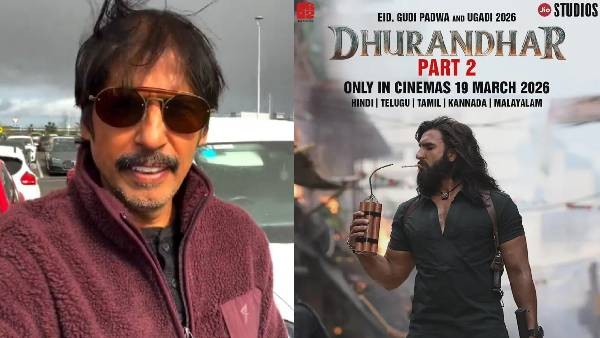
Dhurandhar: The Revenge has stormed the box office, crossing an astonishing ₹1,400 crore in just 14 days despite swirling controversy. Directed by Aditya Dhar, the film is a sequel that builds on the high-octane narrative of espionage and national security. Audiences have flocked to theatres across India and overseas, making it one of the fastest-grossing Bollywood releases in recent memory.
The storyline follows an Indian spy who assumes the identity of Hamza Ali Mazari to infiltrate and dismantle terrorist networks responsible for attacks such as the 26/11 Mumbai tragedy and the Pathankot assault. This gripping premise has resonated strongly with viewers, who see the film as a cathartic portrayal of justice and retribution. By Day 14, the film had grossed ₹1,077 crore domestically and ₹358 crore internationally, surpassing the lifetime earnings of its predecessor.
The film’s commercial success has been remarkable, setting records across platforms. It became Bollywood’s biggest hit on BookMyShow, achieved a milestone of ₹100 crore in Karnataka alone, and outperformed the original in every metric. The sheer scale of its earnings has positioned it as a landmark in Indian cinema, proving that audiences are eager for stories that blend patriotism with action-driven spectacle.
However, the film has not been without criticism. While many viewers celebrate its portrayal of national pride and vengeance, international outlets like The Economist have labeled it propaganda aligned with Prime Minister Narendra Modi’s political narrative. This critique has sparked heated debates, with some contrasting the film’s approach to Western blockbusters like Top Gun, which similarly intertwine military valor with cinematic entertainment. The clash of perspectives underscores how cinema can simultaneously serve as both cultural expression and political flashpoint.