The removal of Satluj from streaming platforms in India just days after its release has sparked widespread debate, and actor-singer Diljit Dosanjh has now broken his silence. In a defiant message, he declared, “I challenge the darkness,” signaling his determination to stand by the film despite the obstacles it has faced. His statement reflects both resilience and conviction, underscoring the gravity of the project that has already endured years of delays and censorship battles.
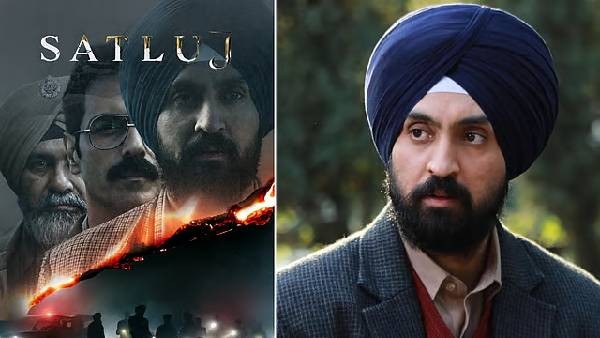
Diljit revealed that he had anticipated such a move even before the film’s release. According to him, the possibility of a ban was not unexpected, given the sensitive subject matter of the film. This foresight highlights the challenges faced by filmmakers who attempt to bring socially and politically charged stories to the screen. By acknowledging that he was prepared for the film’s removal, Diljit emphasized his commitment to the cause rather than commercial success.
One of the most striking revelations from Diljit was that he did not charge any fee for his role in Satluj. He described the project as one driven by conviction, not financial gain. This decision underscores his belief in the importance of telling the story of human rights activist Jaswant Singh Khalra, whose life and struggles form the foundation of the film. For Diljit, Satluj was not just another cinematic venture but a mission to shed light on a figure who fought against injustice.
After Satluj was removed from streaming in India just days after its release, Diljit Dosanjh broke his silence with a defiant message, saying, "I challenge the darkness." The actor also revealed that he had expected the film to be banned and knew this could happen even before its… pic.twitter.com/Cuw3iYJuNA
— IndiaToday (@IndiaToday) July 6, 2026
The film itself has had a turbulent journey. Based on Khalra’s life, Satluj faced years of delays and censorship hurdles before finally making its OTT debut. Its removal from streaming in India adds yet another chapter to its troubled history, raising questions about freedom of expression and the challenges of bringing politically sensitive narratives to mainstream platforms. Despite these setbacks, the film’s release—even briefly—marked a significant moment in Indian cinema.
Diljit’s defiant response has resonated with fans and supporters, many of whom see his stance as a courageous act in defense of artistic freedom. His words, “I challenge the darkness,” have become symbolic of resistance against censorship and suppression. While the future of Satluj’s availability in India remains uncertain, the film has already achieved a powerful impact by sparking conversations about human rights, creative liberty, and the role of cinema in addressing social issues. For Diljit, the journey of Satluj is far from over—it is a testament to conviction, courage, and the enduring power of storytelling