
Comedian Samay Raina has made headlines with the staggering earnings from the first episode of India’s Got Latent Season 2. Industry estimates suggest that his revenue streams from the debut episode alone may have crossed ₹20 crore, a figure that underscores the growing financial power of digital entertainment in India.
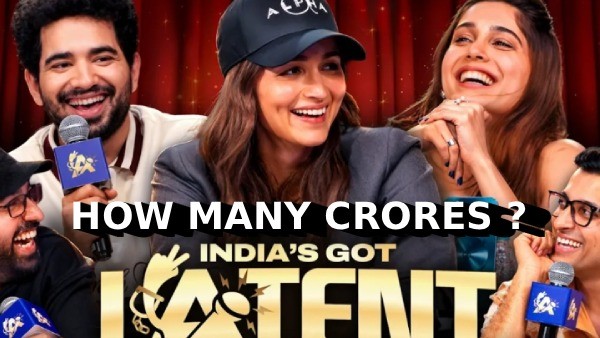
Reports indicate that Raina’s deal with Netflix contributed the largest share, with estimates ranging between ₹15–20 crore for streaming rights. This marks one of the highest payouts for an Indian stand‑up comedian, reflecting the platform’s confidence in his ability to draw audiences.
Alongside the OTT deal, Raina’s YouTube AdSense earnings were significant. With the episode garnering nearly 25 million views on Day 1, advertising revenue is believed to have added another ₹40–50 lakh. This highlights the continued importance of YouTube as a parallel revenue stream for creators, even when their content is available on larger platforms.
Brand sponsorships also played a crucial role. Integrated campaigns from companies such as AI Nova, Flipkart Minute, Avvatar, and Snitch reportedly contributed between ₹8–12 crore collectively. These partnerships demonstrate how brands are increasingly investing in creator‑driven shows to reach younger, digitally savvy audiences.
Altogether, Raina’s estimated earnings from the first episode stand between ₹23 crore and ₹32 crore. While these numbers are speculative and not officially confirmed, they showcase the unprecedented scale of monetisation possible for Indian comedians and digital creators today.
The financial success of India’s Got Latent is not just about numbers. It reflects the evolution of India’s entertainment industry, where comedians and independent creators are now commanding deals that rival mainstream film and television stars. Raina’s multi‑stream revenue model—combining OTT rights, YouTube monetisation, and brand sponsorships—sets a benchmark for how creators can diversify income in the digital age.
However, analysts caution that sustaining such earnings across the season will depend on consistent viewership and sponsor engagement. The first episode’s success was fueled by hype and novelty, but maintaining momentum will be key to proving the long‑term viability of this model.
In conclusion, Samay Raina’s debut episode earnings highlight a turning point in Indian entertainment. By blending humor, celebrity roasts, and sharp digital strategy, he has not only captivated audiences but also redefined the economics of comedy in India.