
Kajal Aggarwal has opened up about her role as Mandodari in the upcoming Ramayana, which stars Ranbir Kapoor and Yash. She explained that since the film is being shot in parts, her presence in the first installment is limited because Lanka’s storyline is not heavily featured yet. Despite the smaller screen time, Kajal emphasized that portraying Mandodari has been a meaningful experience for her.
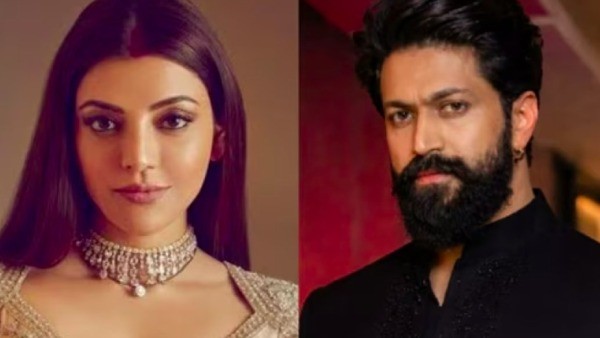
She described the project as a “magnum opus” and highlighted the scale of the production, calling it a “world film” that will resonate far beyond Indian cinema. For Kajal, being part of such a grand narrative is not just about the role’s size but about contributing to a story deeply rooted in cultural and spiritual heritage.
Mandodari, traditionally depicted as Ravana’s wife, is a character of dignity and wisdom in the epic. Kajal’s portrayal, even if brief in the first part, adds depth to the narrative by showcasing the emotional layers of Lanka’s royal household. Her comments suggest that future installments may expand her role as the story shifts focus to Ravana’s kingdom.
The actress expressed gratitude for being included in a project that she believes will redefine Indian cinema on the global stage. She noted that working alongside stars like Ranbir Kapoor and Yash, under the vision of the filmmakers, has been an enriching journey.
Her reflections also underline the growing ambition of Indian filmmakers to create cinematic experiences that transcend regional boundaries. By calling Ramayana “world cinema,” Kajal points to the film’s potential to reach international audiences while staying true to its cultural roots.
In essence, Kajal Aggarwal’s remarks capture both humility and pride—humility in acknowledging her limited role in part one, and pride in being part of a project that aspires to be timeless and universal. Her portrayal of Mandodari may be brief initially, but it carries symbolic weight in the larger narrative arc of the Ramayana.