
Apple has announced a major investment of more than $30 billion in U.S.-made semiconductor components through a new multi-year partnership with Broadcom. The agreement marks one of the largest commitments under Apple's American Manufacturing Program and is aimed at expanding domestic chip production while strengthening the company's supply chain.
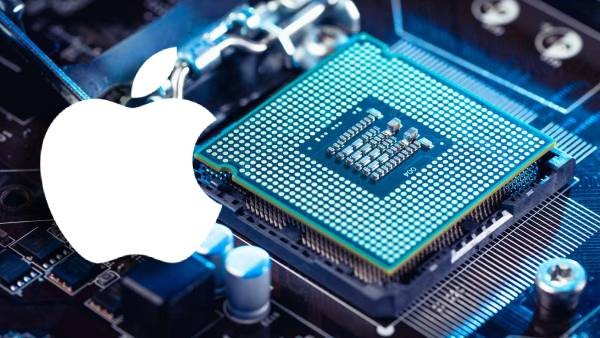
Under the deal, Broadcom will design and manufacture custom silicon and advanced wireless connectivity components for future Apple products. The partnership is expected to result in the production of more than 15 billion chips in the United States over the coming years.
A key part of the agreement includes Broadcom investing $1.5 billion to expand and modernize its manufacturing facility in Fort Collins, Colorado. The expansion is expected to support hundreds of American jobs while increasing domestic production capacity for critical semiconductor components used in Apple devices.
Apple CEO Tim Cook said the partnership reflects the company's long-term commitment to American innovation and manufacturing. According to Apple, the investment is designed to build a stronger end-to-end U.S. semiconductor supply chain and reduce dependence on overseas production for key components.
The new chip agreement is part of Apple's broader $600 billion U.S. investment commitment, which includes expanding manufacturing, supporting suppliers, and investing in research, development, and advanced technologies across the country. Apple has also been increasing its sourcing from domestic semiconductor facilities, including chip production in Arizona and other manufacturing initiatives.
Industry analysts view the announcement as another significant step toward strengthening U.S. semiconductor manufacturing at a time when governments and technology companies are working to reduce reliance on overseas supply chains. The move also aligns with broader efforts to improve the resilience of the American technology ecosystem while supporting high-skilled manufacturing jobs.