
AA major development has shaken Haryana’s bureaucracy as the CBI arrested IAS officer Ram Kumar Singh in connection with a massive ₹657 crore banking fraud. Singh, who served as Municipal Corporation Panchkula commissioner between July 2025 and January 2026, allegedly conspired with officials of IDFC First Bank to siphon off funds.
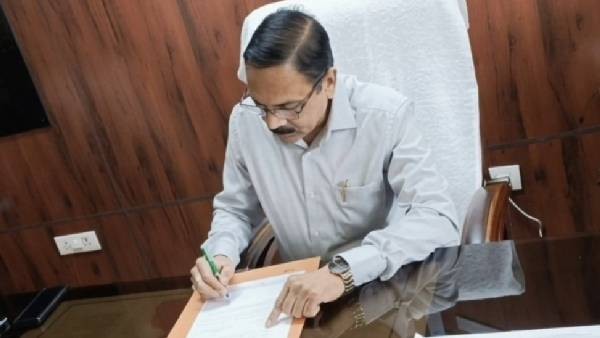
Investigators revealed that Singh diverted ₹79.46 crore from the MC’s account using pre-signed cheques, which were disguised as fixed deposits but instead routed to shell companies. This marks the first arrest of a state-cadre IAS officer in the broader probe, which involves eight Haryana departments and two Chandigarh bodies linked to the bank’s Chandigarh branch.
Singh had already been suspended in April 2026, but his arrest underscores the seriousness of the case. The fraud has sparked widespread public anger, with citizens questioning how bureaucrats amass fortunes despite modest official salaries. Online reactions have been filled with sarcasm and frustration, reflecting growing disillusionment with systemic corruption.
The case also raises larger concerns about accountability in governance and workplace safeguards. While compensation and disciplinary actions may follow, critics argue that prevention and transparency must be prioritized to ensure such large-scale frauds do not recur.
Adding to the controversy, reports suggest that the budget of Sanjay Leela Bhansali’s upcoming film Love and War has already crossed ₹350 crore, drawing comparisons between extravagant film spending and the misuse of public funds. Though unrelated, the juxtaposition has fueled online debates about wealth, responsibility, and ethics in both governance and entertainment.
This arrest is expected to be only the beginning, as the CBI continues to widen its investigation into the multi-department fraud. The case could set a precedent for stricter monitoring of public funds and harsher consequences for officials found guilty of corruption.