
In a bold move that has sent ripples across global energy markets, Iran has declared new toll charges for oil and shipping traffic through the Strait of Hormuz, one of the world’s most critical maritime routes. According to reports, Tehran will now levy $1 per barrel of oil passing through the strait, alongside a hefty $2 billion fee per ship.
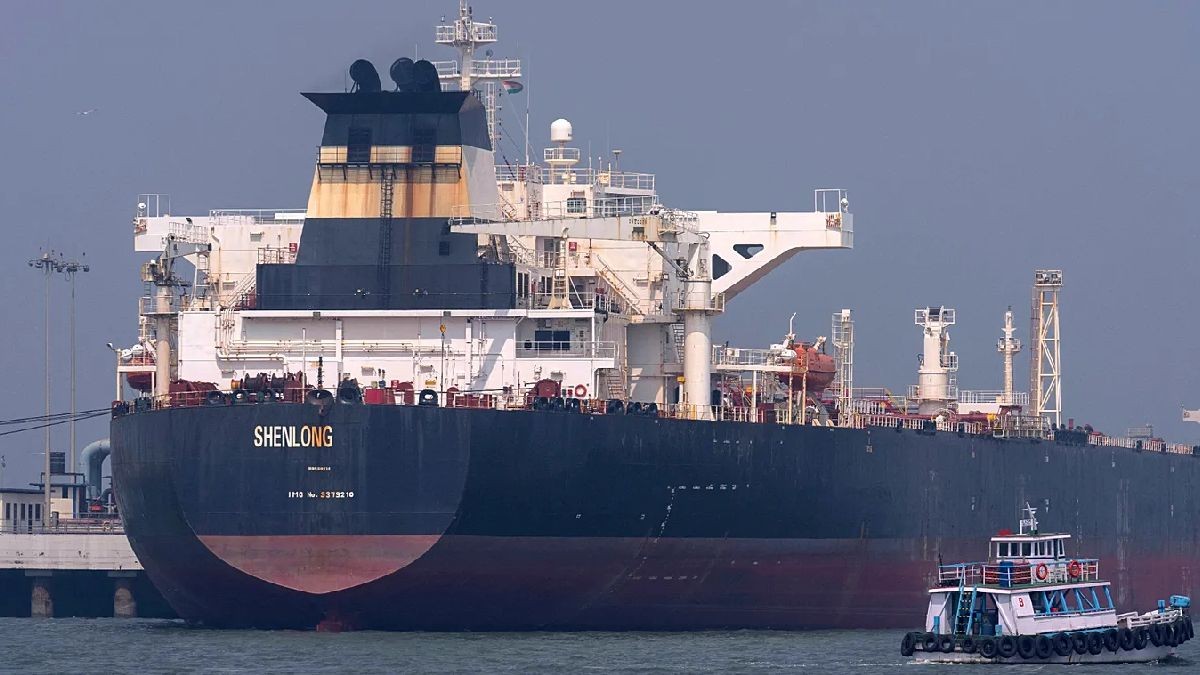
The Strait of Hormuz is a vital artery for global energy, with nearly 20% of the world’s oil supply transported through its waters daily. By imposing these charges, Iran is expected to generate an additional $20 million per day, translating to approximately $7.3 billion annually. Analysts suggest that this could significantly boost Iran’s revenue streams, especially amid ongoing geopolitical tensions.
Iranian officials framed the decision as a response to what they described as violations of regional truces and external interference. The move also comes against the backdrop of heightened tensions with the United States, which has repeatedly warned Tehran against using the strait as leverage in political disputes.
Critics argue that the tolls could destabilize already fragile energy markets, potentially driving up oil prices worldwide. Shipping companies and oil producers are likely to bear the brunt of these costs, which may eventually trickle down to consumers. On the other hand, supporters within Iran view the policy as a strategic assertion of sovereignty over its territorial waters and a means to capitalize on its geographic advantage.
Estimates suggest that with these new charges, Iran’s total annual earnings from oil transit could soar to $110 billion, a staggering figure that underscores the economic impact of controlling such a crucial chokepoint.
The announcement has sparked debate among global powers, with many questioning the legality and sustainability of such tolls under international maritime law. As the situation unfolds, the Strait of Hormuz once again finds itself at the center of global geopolitics, symbolizing the delicate balance between energy security, diplomacy, and regional power struggles.
Whether this policy endures or faces international pushback, one thing is clear: Iran’s latest move has reshaped the conversation around oil transit and global energy stability.