
India’s workforce reflects a fascinating blend of diversity, not just in culture and language, but also in earnings. The average monthly salary across the country stands at ₹28,000, but when broken down state by state, the numbers reveal striking variations. From the bustling metros to the quieter corners of the northeast, salaries differ widely, painting a picture of how opportunities, industries, and living costs shape income levels.
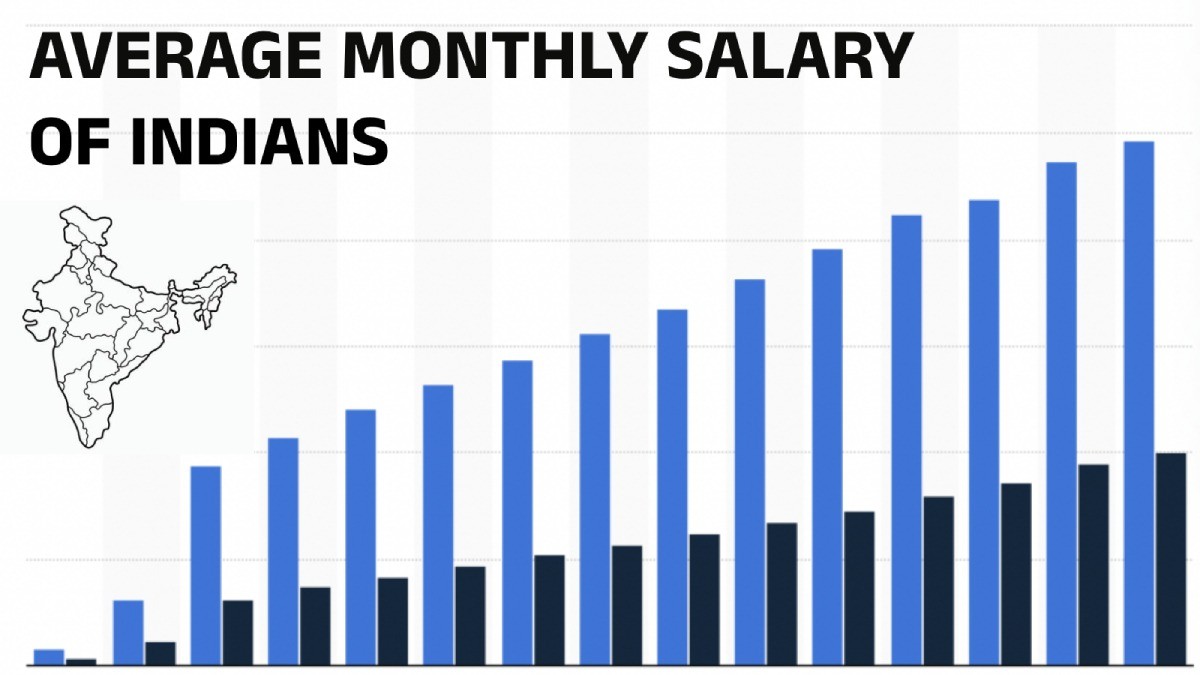
In states like Karnataka, Maharashtra, and Madhya Pradesh, average salaries soar above ₹32,000, driven by thriving industries such as IT, finance, and manufacturing. These regions have become magnets for talent, offering competitive pay and career growth. On the other hand, states like Bihar, Nagaland, and Mizoram report much lower averages, ranging between ₹13,500 and ₹14,500. These figures highlight the economic challenges faced by regions where industrial development and job opportunities remain limited.
The middle range includes states such as Punjab, West Bengal, and Kerala, where salaries hover around ₹24,000–₹25,000. These areas balance traditional industries with modern employment avenues, offering decent wages while still reflecting the gap compared to India’s top-paying states. Interestingly, Delhi, despite being the capital, averages ₹23,000, showing that high living costs don’t always translate into higher salaries.
What these numbers ultimately reveal is the story of India’s uneven economic landscape. While some states are racing ahead with booming sectors and higher pay, others are still catching up, relying on agriculture or smaller industries. Yet, across all regions, one common thread remains: the resilience and determination of the Indian workforce. Salaries may differ, but the drive to build a better life is shared by millions, making India’s economic journey as human and inspiring as its cultural one.