
India is stepping up its semiconductor ambitions, with the country aiming to develop advanced chip manufacturing capabilities in the 7nm to 3nm range within the next eight years. The move could mark a major shift in India's position in the global semiconductor industry, where leading chipmakers are already competing to manufacture increasingly smaller and more powerful processors.
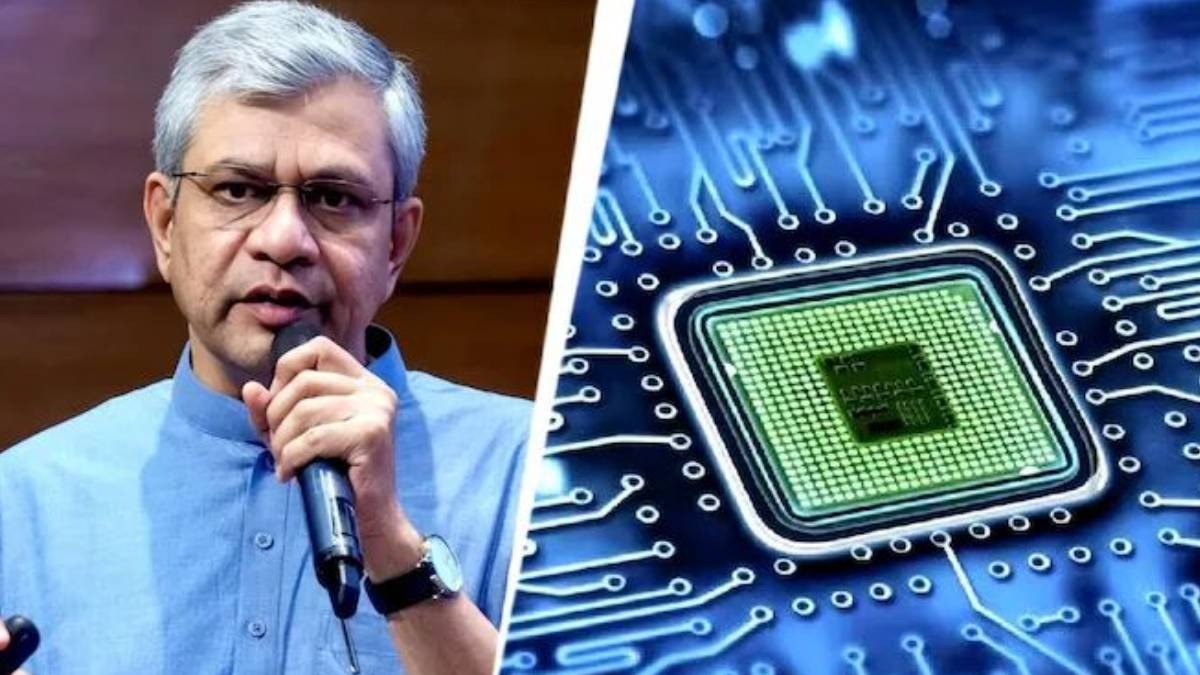
The ambitious target is part of India's broader strategy to build a domestic semiconductor ecosystem and reduce dependence on overseas supply chains.
India Sets Sights on Advanced Chip Nodes
The 7nm, 5nm and 3nm process technologies are considered among the most advanced semiconductor manufacturing nodes. Smaller process nodes can enable chips with higher performance and improved power efficiency, making them particularly important for applications such as artificial intelligence, smartphones, high-performance computing, automobiles and data centres.
India's focus on these technologies signals an intention to move beyond semiconductor assembly and packaging towards more sophisticated chip design and manufacturing capabilities.
Why 3nm Chips Matter
A transition from 7nm to 3nm represents a significant technological challenge. Manufacturing chips at these nodes requires advanced fabrication equipment, highly sophisticated process technology, extensive research and development, and a skilled semiconductor workforce.
Companies around the world are investing billions of dollars to develop and manufacture chips at these advanced nodes. India's proposed eight-year roadmap therefore represents a long-term effort rather than an immediate manufacturing target.
Government Support for Semiconductor Industry
The Indian government has been providing financial and policy support to encourage semiconductor manufacturing and chip design. The India Semiconductor Mission is intended to establish a complete ecosystem covering fabrication plants, packaging, testing, design and related semiconductor infrastructure.
The government has also been encouraging global semiconductor companies to establish operations in India while supporting domestic companies developing chip technologies.
AI and Electronics Could Drive Demand
The push towards advanced semiconductor technology comes at a time when demand for computing power is rapidly increasing. Artificial intelligence, cloud computing, electric vehicles, 5G and consumer electronics are all driving demand for more powerful and energy-efficient chips.
Developing advanced semiconductor capabilities could allow India to play a larger role in these emerging industries while strengthening the country's technology and manufacturing ecosystem.
A Long-Term Challenge
Reaching the 3nm level within eight years will require sustained investment, access to advanced manufacturing technology, semiconductor equipment and international partnerships. India will also need to develop a deep pool of engineers and researchers capable of working on cutting-edge chip processes.
If the target is achieved, it could significantly strengthen India's semiconductor ambitions and help the country become a more important player in the global chip supply chain.