
A fresh wave of shock has swept across India as new reports suggest that the tragic Air India crash in Ahmedabad last June may not have been the result of a technical malfunction, but an intentional act. Investigators, citing cockpit recordings and fuel system analysis, believe that one of the pilots manually shut off the engine fuel switches, leading to the devastating accident that claimed 260 lives. The revelation has left families of victims grappling with renewed grief, as they struggle to process the possibility that the disaster was deliberate rather than accidental.
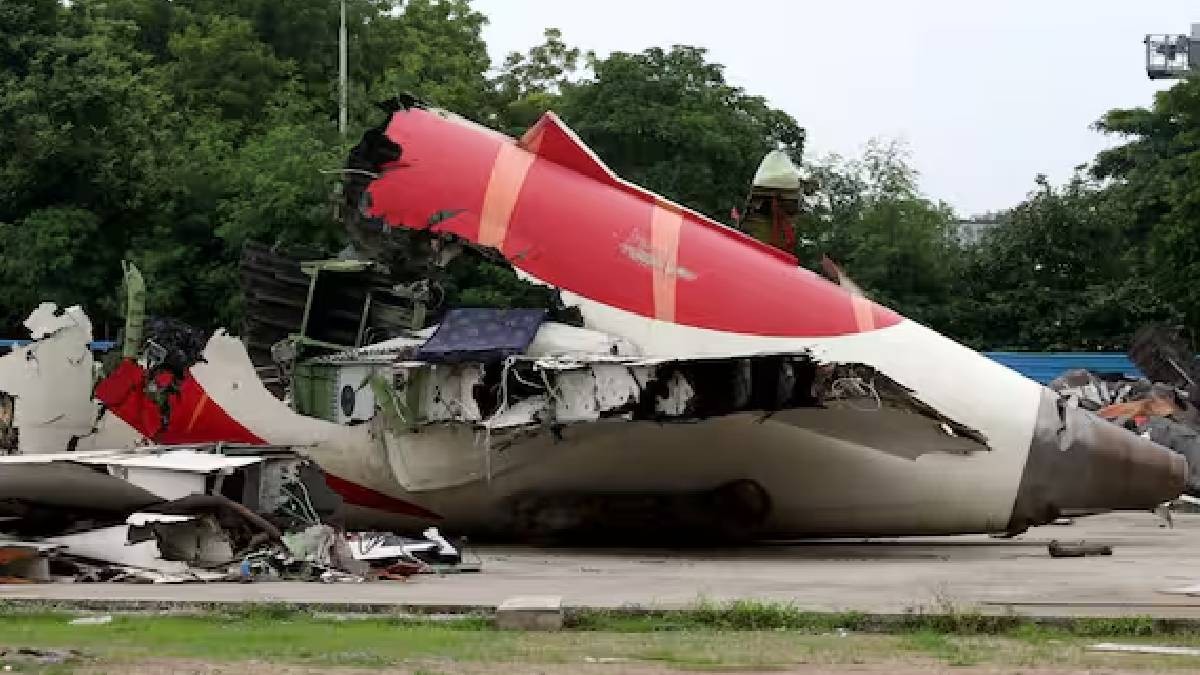
The incident involved Air India Flight 171, a Boeing 787 Dreamliner, which crashed seconds after takeoff from Ahmedabad’s Sardar Vallabhbhai Patel International Airport. Survivors and witnesses recall the horrifying moments as the aircraft lost power and descended rapidly. Investigators now point to cockpit audio where one pilot questioned the sudden fuel cut-off, while the other denied responsibility. These exchanges, combined with technical evidence, have fueled suspicions that the crash was not a mechanical failure but a deliberate act.
For many, the idea that a trusted pilot could have intentionally caused such devastation is deeply unsettling. Captain Sumeet Sabharwal, who was in command of the flight, has come under scrutiny, though officials stress that the final word will come only after the Directorate General of Civil Aviation (DGCA) releases its official report. Meanwhile, discussions between Indian and U.S. aviation authorities highlight the seriousness of the probe, with recommendations emerging for stricter psychological evaluations and mental health monitoring of pilots to prevent such tragedies in the future.
As families await closure, the broader aviation community is left to confront uncomfortable questions about trust, responsibility, and safety in the skies. The Ahmedabad crash has become more than just a tragic accident—it is now a case study in the importance of human factors in aviation. While the final DGCA report is still pending, the revelations have already reshaped conversations around pilot accountability and the systems in place to safeguard passengers.