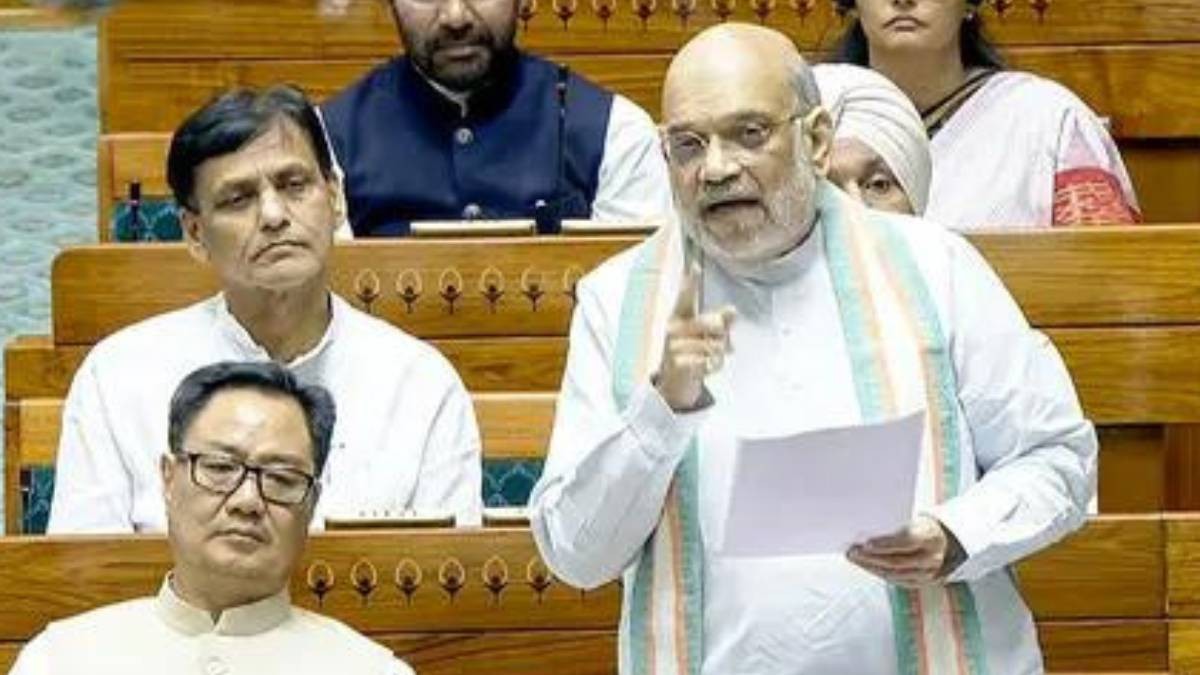
Home Minister Amit Shah delivered a fiery speech in the Lok Sabha, declaring India “Naxal-free” after years of sustained counter-insurgency efforts. He credited the Modi government’s campaign for a dramatic reduction in violence, citing official figures that show a 52% drop in incidents and a 62% decline in deaths between 2013 and 2024. According to Shah, the once widespread insurgency is now confined to just three districts in Chhattisgarh, marking a historic turnaround in the fight against left-wing extremism.
Shah highlighted the role of security forces, noting that over 700 Naxals were neutralized last year while thousands surrendered. He emphasized that development initiatives—new roads, schools, and security camps—have transformed former hotspots, giving local communities a chance to rebuild their lives. The government’s dual strategy of hard security measures alongside infrastructure and welfare projects was presented as the cornerstone of this success.
The speech also carried sharp political undertones. Shah accused Congress leader Rahul Gandhi of maintaining ties with Naxal sympathizers, pointing to meetings and events he claimed reflected ideological alignment. The opposition, however, pushed back strongly, dismissing the allegations as politically motivated and arguing that eradication efforts remain ongoing rather than complete.
Observers noted that Shah’s declaration was both a celebration of progress and a rallying cry, positioning the government’s anti-Naxal campaign as a major achievement. Yet, questions remain about the long-term sustainability of peace in affected regions, with critics urging vigilance and continued investment in local development to prevent resurgence.
This moment in Parliament underscored the government’s narrative of victory against insurgency, while also revealing the deep political divides over how that story is told.