
Bengaluru Traffic Police is introducing new vehicle restrictions on several major flyovers and elevated corridors from September 4, 2026, citing road safety, traffic congestion and accident concerns. The restrictions will affect two-wheelers, autorickshaws and different categories of goods vehicles, depending on the road.
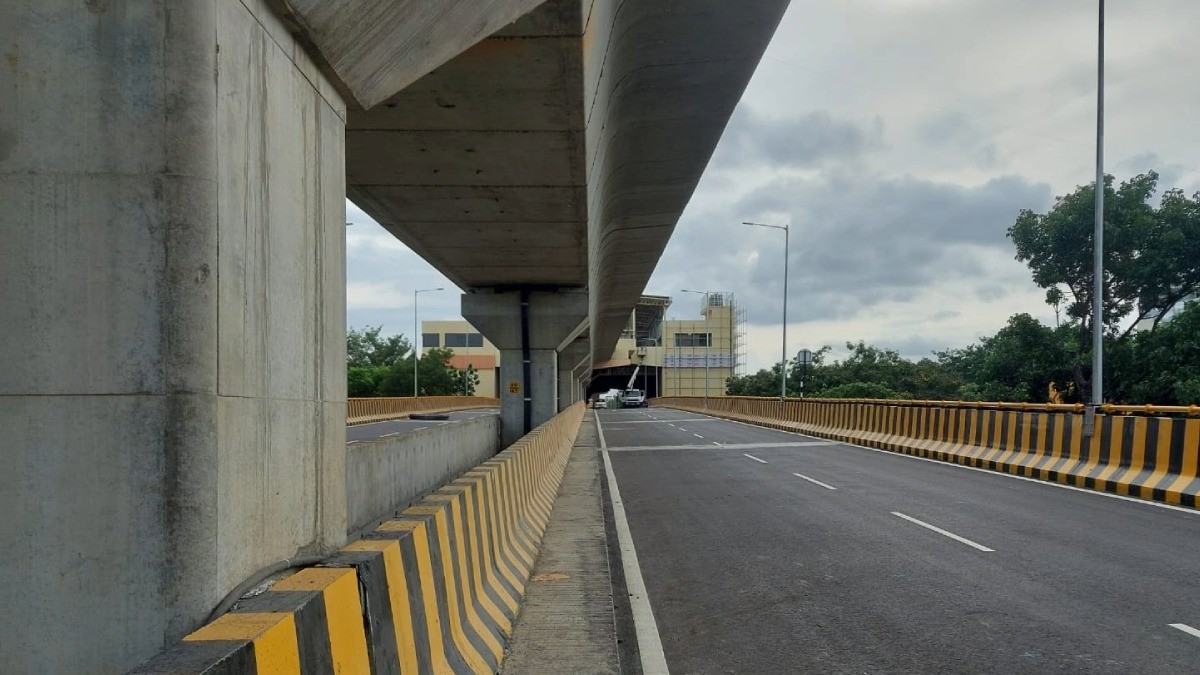
However, commuters should note that the Electronics City Elevated Corridor will see the new restrictions only from September 11, a week later than the other corridors.
Two-Wheelers and Autos Face 24-Hour Ban
On the International Airport Road Elevated Corridor, stretching from Sanjeevnagar Cross to Vidyashilp Junction, two-wheelers and passenger autorickshaws will be prohibited throughout the day from September 4. Goods vehicles of all categories will also face restrictions between 6 am and 10 pm.
The Electronics City Elevated Corridor will have even wider restrictions from September 11. Two-wheelers, passenger autorickshaws and three-wheeler goods autos will be banned around the clock, while heavy, medium and light goods vehicles will be restricted between 6 am and 10 pm.
What Happens on Peenya and BGS Flyovers?
The Peenya Elevated Corridor will prohibit passenger autorickshaws and three-wheeler goods autos throughout the day. Heavy and medium goods vehicles will face restrictions during peak hours — 7 am to 11 am and 4 pm to 10 pm.
On the BGS Flyover on Mysuru Road, heavy goods vehicles will be prohibited throughout the day. Other goods vehicles, including three-wheeler goods autos, will face restrictions during the same morning and evening peak-hour periods.
Meanwhile, the Double-Decker Flyover between Silk Board and Ragigudda will prohibit heavy goods vehicles at all times from September 4.
Why Has Bengaluru Imposed These Restrictions?
According to Bengaluru Traffic Police, the decision followed a detailed review of accidents, traffic movement and vehicle breakdowns on the elevated routes.
Officials considered factors including differences in vehicle speeds, road design and width, accident severity, congestion at flyover entry and exit points, emergency traffic management and the safety of pedestrians and two-wheeler riders. Vehicle breakdowns involving goods carriers were also identified as a concern.
Traffic police said the restrictions are being introduced on a trial basis. Their effectiveness will be assessed before further decisions are taken.
Bengaluru Commuters React
The restrictions are likely to affect thousands of daily commuters, particularly two-wheeler riders who rely on elevated corridors to travel between residential and employment hubs.
While some commuters have welcomed the move, arguing that reducing slower and vulnerable vehicles on high-speed corridors could improve safety, others have questioned why two-wheelers face significant restrictions when many riders depend on motorcycles for affordable daily travel.
For affected commuters, surface roads and alternative routes are likely to become more important once the restrictions come into force.
Key Dates
September 4: BGS Flyover, Peenya Elevated Corridor, Double-Decker Flyover and International Airport Road Elevated Corridor restrictions begin.
September 11: Electronics City Elevated Corridor restrictions begin.
The restrictions are initially being implemented on a trial basis.
Commuters should check traffic signs and follow the latest instructions from Bengaluru Traffic Police before travelling on these routes.
Note: Traffic restrictions may be revised following the trial and subsequent review by authorities.