
The Announcement
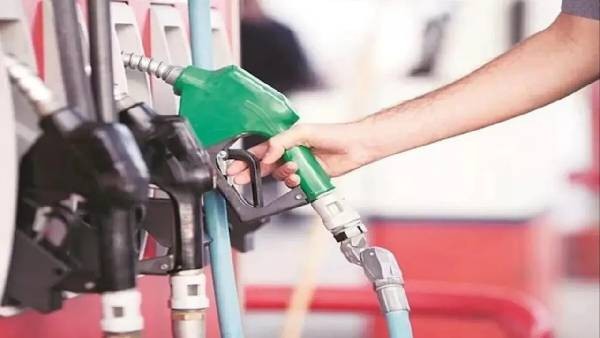
The Indian government has announced the abolition of excise duty on petrol blended with higher ethanol content, a move aimed at reducing fuel prices and encouraging cleaner energy alternatives. This decision is expected to provide significant relief to consumers while also supporting the country’s long-term energy transition goals.
Why Ethanol Blending Matters
Ethanol, derived from crops like sugarcane and maize, is a renewable fuel that reduces dependence on crude oil imports. Blending ethanol with petrol lowers carbon emissions and helps India meet its climate commitments. By removing excise duty on higher ethanol blends, the government is incentivizing both producers and consumers to adopt greener fuel options.
Impact on Fuel Prices
The immediate effect of this policy is a reduction in petrol prices, offering relief to households and businesses struggling with rising fuel costs. Analysts suggest that widespread adoption of ethanol-blended petrol could stabilize fuel markets and reduce India’s vulnerability to global oil price fluctuations.
Broader Economic and Environmental Benefits
Consumer Relief: Lower petrol prices ease the burden on transportation and logistics.
Agricultural Boost: Farmers benefit from increased demand for ethanol-producing crops.
Environmental Gains: Reduced carbon emissions contribute to cleaner air and sustainable growth.
Energy Security: Less reliance on imported crude strengthens India’s energy independence.
Industry and Public Reaction
Industry experts have welcomed the move, calling it a progressive step toward sustainable energy. Public response has also been positive, with many highlighting the dual benefits of cost savings and environmental responsibility.
Looking Ahead
The abolition of excise duty is part of India’s broader push toward achieving 20% ethanol blending in petrol by 2025. As infrastructure for ethanol production and distribution expands, consumers can expect more affordable and eco-friendly fuel options in the coming years.