The journey from a 40-day wait for LPG cylinders to a mere 2-day delivery across 12 states reflects both progress and persisting challenges in India’s energy distribution system. While the government and oil companies have invested in streamlining supply chains, the ground reality varies significantly depending on geography, infrastructure, and demand.
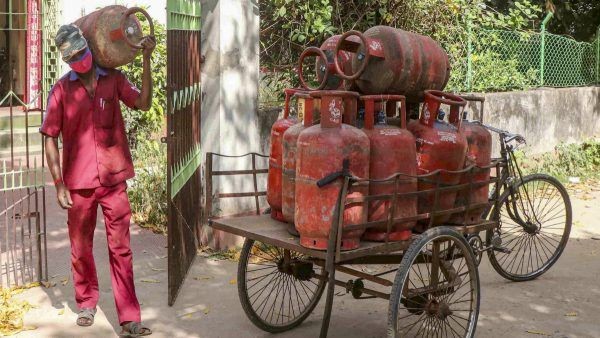
In urban centers, improved logistics, digital booking systems, and expanded distribution networks have drastically reduced waiting times. Consumers in cities often report receiving cylinders within 48 hours, a stark contrast to the long delays that were once common. This efficiency has boosted confidence in the system and made LPG a more reliable household fuel option.
However, rural and remote areas continue to face hurdles. Limited distributor presence, poor road connectivity, and seasonal demand spikes often stretch delivery timelines back to weeks. In some states, households still experience delays of up to 15–20 days, highlighting the unevenness of progress. The disparity underscores the need for targeted interventions to bridge the urban-rural gap.
The reality check across 12 states reveals a mixed picture: while technological upgrades and policy efforts have transformed LPG delivery in many regions, systemic bottlenecks remain. Ensuring equitable access will require sustained investment in infrastructure, better monitoring of distributors, and innovative solutions tailored to rural communities.