
The disappearance of a gold-plated Ramcharitmanas from Ayodhya’s Ram Mandir has stirred controversy and raised questions about transparency in temple management. The scripture, weighing nearly 1 kg of gold, was donated by a former Union Home Secretary on April 8, 2024. For five months, it was displayed prominently for worship, symbolizing devotion and sacrifice, before mysteriously vanishing from the temple premises.
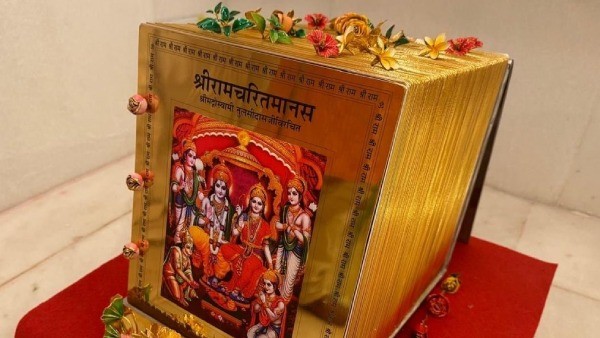
The donor, who had crafted the 1,000-page scripture using his savings and jewelry, expressed deep concern when he discovered it missing. His appeals to temple trust officials, including Champat Rai, were reportedly dismissed, intensifying frustration and fueling suspicions of mismanagement. The incident quickly became a focal point for public debate about accountability in one of India’s most revered religious sites.
By mid-June 2026, the issue had escalated into a formal investigation. An SIT probe was launched, not only to trace the missing scripture but also to examine broader thefts from donation boxes within the temple. The inquiry uncovered significant irregularities, leading to eight arrests and the recovery of over ₹80 lakh in stolen funds. These findings suggested systemic lapses in oversight and security.
The scandal has had ripple effects within the temple trust. Reports of resignations among officials have surfaced, reflecting the mounting pressure and scrutiny. The case has also prompted calls for stricter monitoring of donations and assets, with critics demanding greater transparency in how offerings are safeguarded and managed.
Chief Minister Yogi Adityanath has been drawn into the controversy, facing demands to ensure accountability and restore public trust. His administration has emphasized the importance of transparency in religious institutions, signaling potential reforms in temple governance. The incident has become a test of both political will and institutional integrity.
Ultimately, the missing Ramcharitmanas is more than a case of theft—it represents a breach of faith for devotees who expect sacred offerings to be treated with reverence. As the SIT probe continues, the outcome will likely shape future policies on temple management, reinforcing the need for vigilance and accountability in safeguarding religious treasures.