
The arrival of high-speed rail in India is set to redefine the way people experience travel between major cities. Imagine boarding a sleek train in Bengaluru and stepping off in Chennai just 73 minutes later—what was once a tiring road journey or a longer flight connection suddenly becomes a quick hop. The Bengaluru–Hyderabad corridor too, clocking in at just 2 hours, promises to knit together two thriving tech hubs with unprecedented ease. For many professionals, students, and families, this means more opportunities to connect without the burden of long commutes.
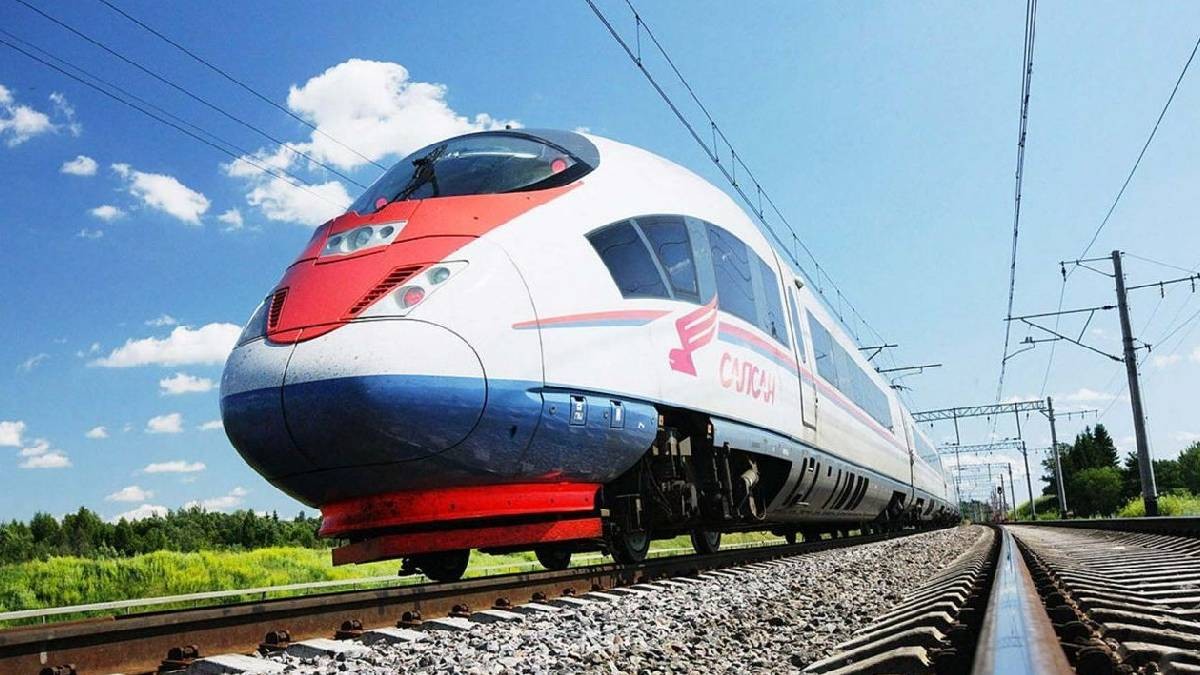
Shorter routes like Mumbai–Pune, now achievable in just 48 minutes, will likely transform daily life. What used to be a weekend trip could become a regular commute, opening up new possibilities for work-life balance. Similarly, Pune–Hyderabad at 1 hour 55 minutes makes intercity collaboration more practical, fostering stronger ties between industries and communities. These times aren’t just numbers—they represent a shift in how people will plan their days, their careers, and even their leisure.
Longer journeys too will feel dramatically different. Delhi to Varanasi in 3 hours 50 minutes is a game-changer for cultural tourism and spiritual travel, while Varanasi to Siliguri in 2 hours 55 minutes connects the heart of Uttar Pradesh to the gateway of Northeast India. These routes will not only save time but also encourage exploration of regions that were previously considered too far for short visits. The ripple effect on tourism, business, and regional development could be immense.
Ultimately, high-speed rail is more than just faster trains—it’s about reshaping the rhythm of life across India. Families will reunite more often, businesses will expand their reach, and students will find new opportunities in cities once considered distant. The promise of stepping into a train and arriving in another city in under a few hours is not just about convenience; it’s about knitting together the diverse fabric of India more tightly than ever before.