India is preparing for a historic leap in transportation with the launch of its first indigenous bullet train, the B28, scheduled for August 2027. This ambitious project marks a turning point in the country’s railway modernization efforts, symbolizing technological self-reliance and aligning with the government’s “Make in India” initiative.
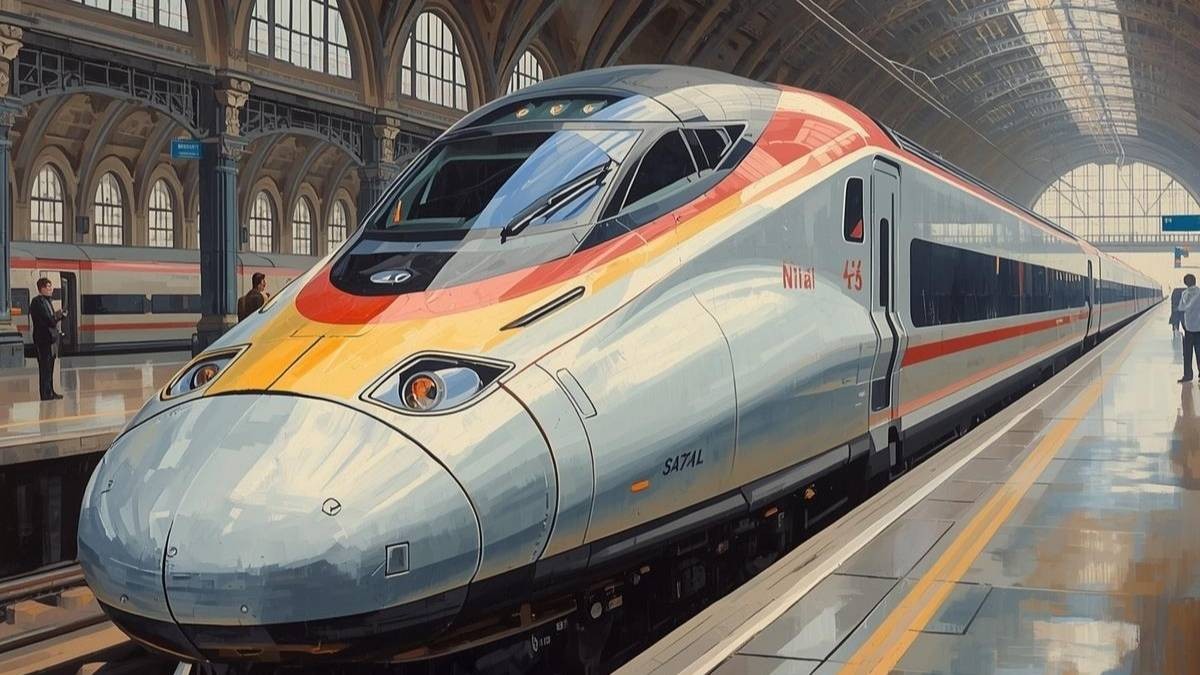
The B28 bullet train is the first high-speed rail system designed and manufactured entirely within India. Unlike earlier projects that relied on foreign technology partnerships, the B28 showcases India’s growing expertise in advanced engineering and infrastructure development. It is expected to revolutionize travel by drastically reducing journey times between major cities and offering a modern, eco-friendly alternative to conventional rail.
The train is designed to reach speeds of up to 320 km/h, cutting travel time between metros to just a few hours. Its sleek aerodynamic design incorporates advanced safety features, energy-efficient propulsion systems, and AI-driven monitoring for real-time performance checks. With a passenger capacity of over 1,200 per trip, the B28 promises both speed and scale, making it suitable for India’s densely populated corridors.
The launch of the B28 is not just about faster travel—it represents a strategic milestone for India’s infrastructure. By reducing dependence on imported technology, the project strengthens India’s position in the global high-speed rail industry. It is expected to boost economic activity by improving connectivity between urban and semi-urban centers, while also creating thousands of jobs in manufacturing, engineering, and operations.
Beyond transportation, the bullet train project is a catalyst for innovation. It will encourage domestic industries to invest in advanced materials, electronics, and automation, fostering a stronger ecosystem for future projects. The B28 also aligns with India’s sustainability goals, as its energy-efficient systems are designed to minimize carbon emissions compared to air travel and road transport.