
India is preparing to launch an ambitious ₹9,280 crore water metro initiative, a project that promises to reshape urban mobility across the country. The plan, part of the draft National Water Metro Policy 2026, aims to harness India’s vast network of rivers, canals, lakes, backwaters, estuaries, and coastal waters to ease the burden on congested roads while offering an eco-friendly public transport alternative. By integrating waterways into everyday commuting, the government hopes to create a sustainable transport system that blends tradition with modern innovation.
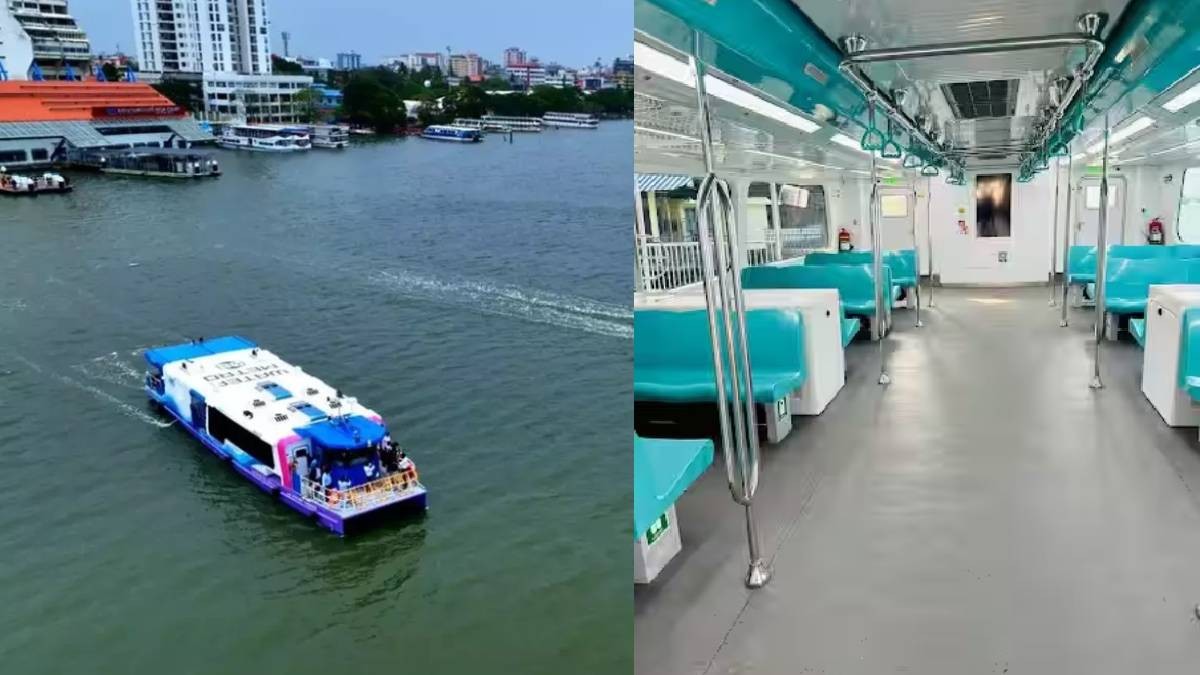
At its core, the water metro project is about accessibility and inclusivity. Cities and towns with natural water bodies will be able to connect neighborhoods, islands, and business hubs more efficiently. For millions of commuters, this could mean shorter travel times, less pollution, and a refreshing alternative to crowded buses and trains. The initiative also emphasizes the use of electric and hybrid vessels built in India, ensuring that the project supports local industries while reducing carbon emissions.
Beyond infrastructure, the water metro represents a cultural shift in how Indians view public transport. For decades, waterways have been underutilized despite their potential. By investing in this project, the government is signaling a commitment to sustainable urban living and a future where commuting is not just about reaching a destination but also about experiencing the journey. Imagine traveling across serene backwaters or bustling rivers, with the city skyline on one side and nature on the other—it’s a vision that humanizes transport and makes it part of daily life.
The ₹9,280 crore investment is not just about building boats and terminals; it’s about building trust in a new way of living. For citizens, this initiative could mean cleaner air, reduced traffic stress, and a stronger connection to their environment. For policymakers, it’s a chance to demonstrate that development and sustainability can go hand in hand. As India steps into this new era of urban mobility, the water metro stands as a symbol of progress—one that blends heritage, innovation, and hope for a greener tomorrow.