
India’s rollout of E20 petrol in April 2026 marked a significant milestone in its energy transition strategy. By introducing a 20% ethanol blend nationwide four years ahead of the 2030 target, the government aimed to reduce dependence on costly oil imports and strengthen energy security. Officials projected billions in savings while highlighting the environmental benefits of ethanol as a cleaner, renewable fuel source.
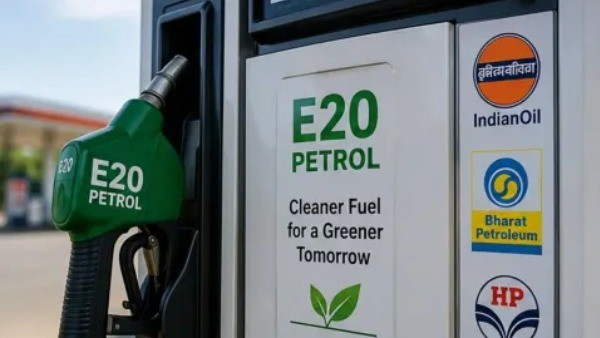
Automakers such as Maruti Suzuki and Toyota quickly reassured consumers, citing Automotive Research Association of India (ARAI) tests. These studies indicated that vehicles up to 10 years old would experience only a modest mileage drop of 2–6% when using E20 fuel, with no evidence of engine damage or performance issues. Manufacturers emphasized that modern engines were designed to handle ethanol blends without significant risk.
Despite these assurances, real-world experiences have painted a more complex picture. Drivers of older cars have reported sharper mileage declines than the official figures suggest, raising concerns about the practicality of E20 for aging vehicles. Some motorists also fear long-term corrosion in fuel systems, particularly in models not originally engineered for higher ethanol content. These complaints have fueled skepticism about the government’s aggressive timeline.
Critics argue that the rollout overlooked consumer choice. They have called for E10 fuel—containing only 10% ethanol—to remain available at pumps, offering a middle ground for drivers of older vehicles. This demand reflects a broader debate about balancing national energy goals with the realities of India’s diverse automotive landscape, where millions of older cars remain in use.
The issue has now escalated into public protest. Activist Tehseen Poonawalla is set to lead demonstrations in Delhi on July 5, rallying motorists who feel disadvantaged by the policy. These protests highlight the growing tension between government ambitions and grassroots concerns, underscoring the need for clearer communication and transitional support measures.
In the end, India’s E20 rollout represents both progress and challenge. While the policy advances energy independence and sustainability, its uneven impact across vehicle segments has sparked debate. The coming months will reveal whether officials can balance reassurance with practical solutions, ensuring that the shift to ethanol blends benefits the nation without alienating everyday drivers.