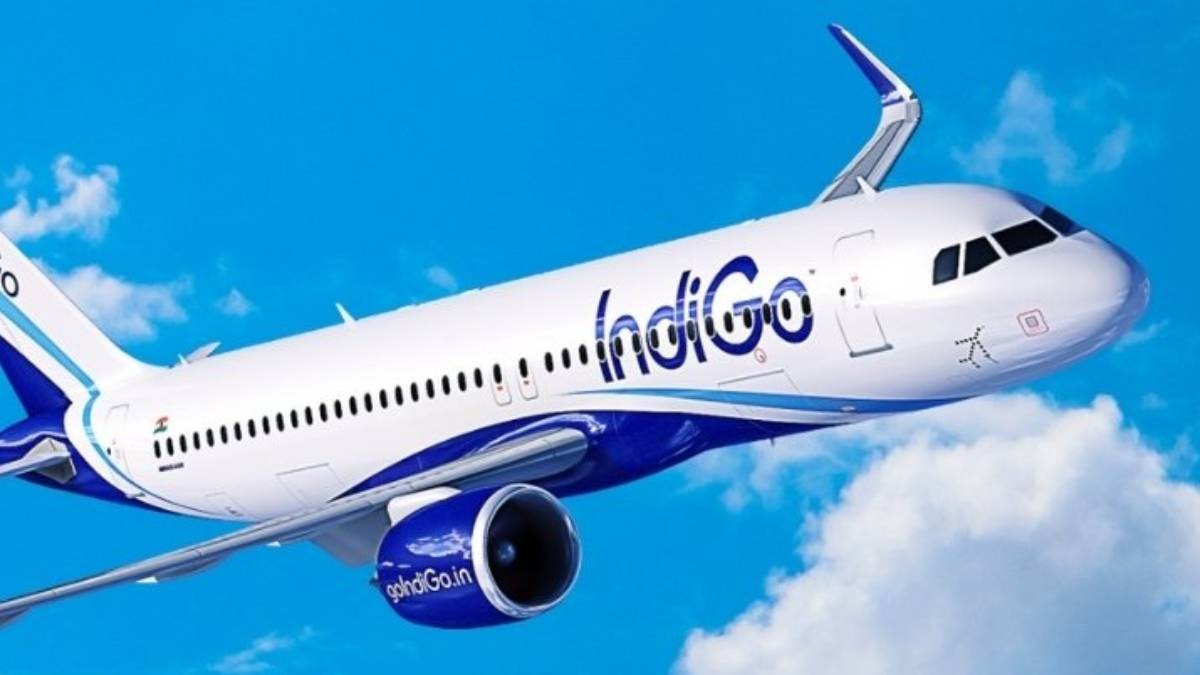
IndiGo has announced a revision in its fuel charges effective April 2, following a sharp rise in Aviation Turbine Fuel (ATF) prices. The adjustment will directly impact both domestic and international fares, making air travel costlier for passengers. This move reflects the airline’s need to balance operational expenses with the rising cost of fuel, which constitutes a significant portion of airline expenditure.
Impact on Domestic Travel
For domestic flyers, the revised fuel charges will translate into higher ticket prices across routes. IndiGo, being India’s largest carrier, operates a vast network of flights, meaning the fare hike will affect millions of passengers. The increase is expected to be felt most on longer routes, where fuel consumption is higher, though even short-haul journeys will see a noticeable uptick in costs.
International Routes Affected
The revision is not limited to domestic travel. IndiGo’s international operations, which connect India to destinations across Asia and the Middle East, will also see fare adjustments. Rising ATF prices globally have put pressure on airlines, and IndiGo’s decision underscores the broader challenge faced by carriers in maintaining profitability while ensuring service continuity.
Broader Industry Context
This fare hike comes at a time when the aviation industry is grappling with fluctuating fuel prices and increasing operational costs. While IndiGo’s move may set the tone for other airlines to follow suit, it also highlights the vulnerability of air travel to global energy markets. For passengers, the change means budgeting more for flights, while for the industry, it signals the need for long-term strategies to mitigate fuel price volatility.