
In a dramatic turn of events, senior Congress leader and eight-time MLA Ramalinga Reddy resigned from the Karnataka cabinet on Friday, just a day after portfolios were distributed by newly appointed Chief Minister D.K. Shivakumar. The resignation underscores the growing unease within the government formed on June 3, following the exit of former Chief Minister Siddaramaiah.
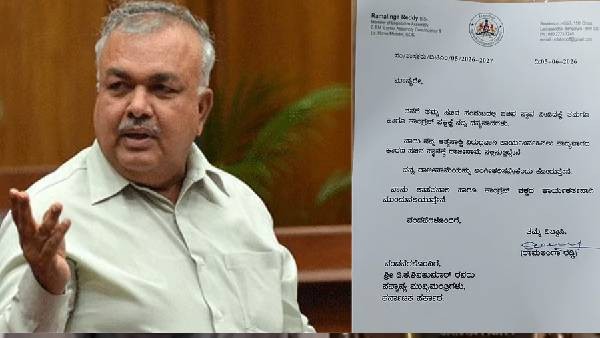
Shivakumar retained key portfolios such as finance and intelligence for himself, while assigning the crucial Greater Bengaluru Development ministry to Krishna Byre Gowda. Reddy, who has long championed Bengaluru’s urban issues, had repeatedly sought the post but was instead given the major and medium irrigation portfolio. His dissatisfaction culminated in a formal resignation, signaling discontent over what he perceived as sidelining his influence in the city’s governance.
The decision has sparked debate both within political circles and online platforms. Supporters of Reddy argue that his decades of experience and deep connection with Bengaluru’s civic challenges made him the natural choice for the role. Critics, however, suggest that Shivakumar’s distribution of portfolios reflects a deliberate balancing act, favoring leaders such as Priyank Kharge and Yathindra Siddaramaiah, who are seen as rising figures in the party.
Reddy’s exit highlights the fragile equilibrium in Shivakumar’s cabinet, which comprises 13 members. The incident has also fueled speculation about internal rivalries and the challenges of managing senior leaders alongside younger aspirants. For Bengaluru, a city grappling with infrastructure, traffic, and urban planning crises, the controversy raises questions about whether political maneuvering will overshadow urgent developmental priorities.
While Shivakumar has yet to issue a detailed response, the resignation is expected to test his leadership early in his tenure. Observers note that how he manages dissent and addresses perceptions of favoritism will shape the stability of his government in the months ahead.
The unfolding situation reflects the broader dynamics of Karnataka politics, where balancing seniority, loyalty, and regional representation remains a delicate task. Reddy’s move may embolden other leaders who feel marginalized, potentially complicating Shivakumar’s efforts to project unity and efficiency in governance.