
Leh: In a landmark decision that marks a significant shift in the region's alcohol policy, the Union Territory of Ladakh has allowed the retail sale of hard liquor for the first time. Under the new regulations, sales will be permitted through licensed shops, guest houses, and even homestays across the UT.
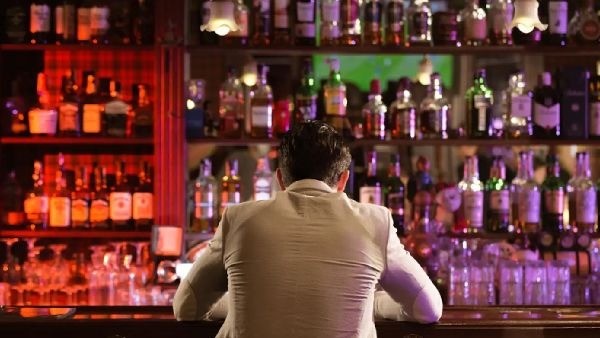
The move, formalized through an excise policy notification, ends Ladakh's long-standing status as a region where hard liquor retail was effectively restricted. Previously, alcohol availability was largely limited to select hotels and bars catering primarily to tourists, with no formal retail mechanism for locals or smaller establishments.
Key Provisions of the New Policy
Under the newly introduced framework, the Ladakh Excise Department will issue licenses to eligible applicants for the retail sale of Indian Made Foreign Liquor (IMFL), including whisky, rum, vodka, gin, and brandy. The following categories of establishments can now obtain licenses:
Retail liquor shops: Standalone outlets authorized to sell alcohol for off-premise consumption.
Guest houses: Licensed to serve hard liquor to their guests.
Homestays: For the first time, even small homestay operators can obtain permits to serve alcohol to tourists staying with them.
The policy also includes provisions for hotels, restaurants, and bars to renew or obtain fresh licenses under the new framework.
Rationale Behind the Decision
Officials familiar with the development have indicated that the decision was driven by multiple factors. Ladakh has witnessed a steady rise in domestic and international tourism in recent years. Many tourists, particularly from Western countries and metropolitan cities in India, expect alcohol availability during their stays. The absence of a formal retail mechanism previously pushed visitors toward unregulated or black-market sources.
Additionally, the new policy is expected to generate significant revenue for the UT government through license fees, excise duties, and taxes. These funds can be channeled toward infrastructure development, healthcare, and education in the remote region.
Local Reactions and Concerns
The decision has evoked mixed responses. While hoteliers and guest house owners have welcomed the move as a boost to tourism, some Buddhist groups and local residents have expressed concerns about potential social fallout, including increased alcoholism among locals. The administration has assured that strict monitoring mechanisms will be put in place.
Implementation Timeline
The Ladakh Excise Department has begun accepting license applications, with the first retail outlets expected to become operational within weeks.