
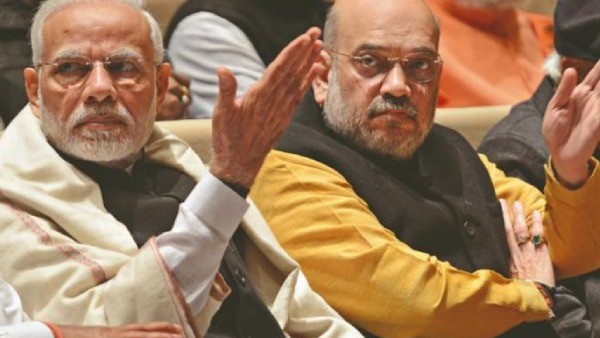
Political circles are abuzz with reports of a major cabinet reshuffle in the Modi government, as journalist Meetu Jain has hinted at sweeping changes that could redefine the power balance within the Union Cabinet. According to early indications, one CCS minister may be shifted, while several others face the possibility of being reshuffled or even dropped. This move is being seen as part of the government’s strategy to refresh its leadership team and bring in new faces ahead of crucial political developments.
Key Changes Under Consideration
Shaktikanta Das, currently serving as RBI Governor, may join the Cabinet, marking a significant transition from central banking to governance.
Nirmala Sitharaman could be shifted from Finance to the HRD Ministry, a move that would realign her portfolio with education and human resource development.
Several existing ministers are reportedly on the radar for reshuffling or removal, signaling a broad restructuring effort.
New Inductions Being Discussed
The reshuffle may also see fresh faces entering the Cabinet:
Shrikant Shinde
Anurag Thakur
Arun Govil
Janardan Singh Sigriwal
Nitish Kumar
Additionally, names like Raghav Chadha and Ashok Mittal are being floated as potential inductees, reflecting the government’s intent to broaden its political and administrative base.
Party-Level Adjustments
On the organizational front, Ravneet Bittu may be replaced by Tarun Chugh, signaling changes not just within the Cabinet but also in party responsibilities.
While these reports remain speculative until an official announcement is made, the scale of the proposed reshuffle suggests a significant recalibration of the Modi government’s leadership team. The inclusion of technocrats, seasoned politicians, and fresh faces could mark a turning point in shaping governance priorities for the coming years.