
Meta India Chief in Trouble
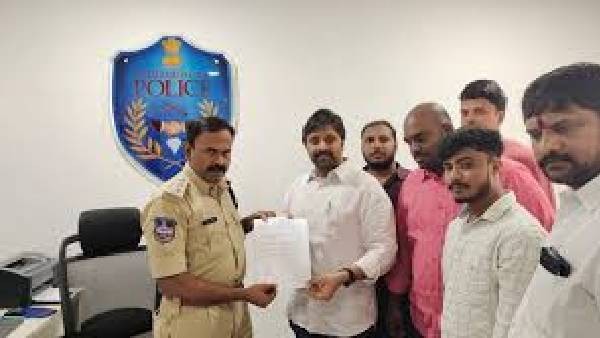
In a significant development, the Hyderabad Cybercrime Police have registered two cases involving morphed and abusive content targeting Prime Minister Narendra Modi. For the first time, Meta India’s head has been named as a co-accused, marking a serious escalation in accountability for social media platforms operating in the country.
The Gali Gang Connection
The cases reportedly involve the so-called “Gali gang,” a group accused of circulating offensive and doctored content during the NEET paper leak agitation led by the Campaign for Judicial Protection (CJP). Authorities allege that the gang used social media platforms to amplify abusive posts, sparking outrage and prompting swift police action.
FIRs and Legal Action
According to officials, two FIRs have been filed under sections related to cybercrime, defamation, and promoting enmity. The inclusion of Meta India’s chief as a co-accused is unprecedented, raising questions about corporate responsibility and the role of tech giants in moderating harmful content. Investigators are expected to probe how such content was allowed to spread and whether platform policies were violated.
Political and Public Reactions
The incident has triggered strong political reactions, with ruling party members condemning the circulation of abusive content against the Prime Minister. Opposition voices, meanwhile, have highlighted the broader issue of freedom of expression and the need for balanced regulation of digital platforms. On social media, users are divided — some demanding stricter accountability for tech companies, while others caution against overreach.
Implications for Meta India
The naming of Meta India’s head as a co-accused could set a precedent for future cases involving online content. Legal experts suggest this may push global tech firms to tighten their moderation practices in India, where political sensitivities and public order concerns often intersect with digital freedom.
The Road Ahead
As the investigation unfolds, the spotlight remains firmly on Meta India and the alleged role of the Gali gang. The outcome of these cases will likely influence how social media platforms operate in India, shaping both corporate responsibility and the boundaries of online speech