
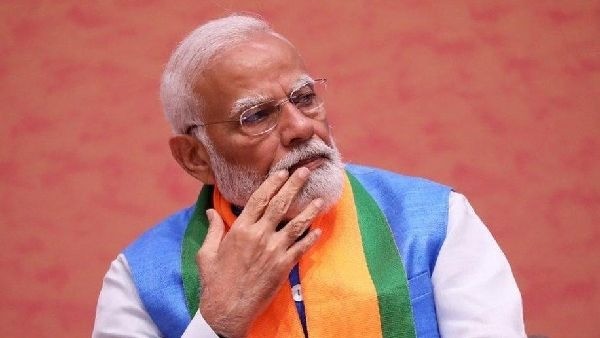
On June 10, 2026, Prime Minister Narendra Modi will mark a historic milestone — 12 uninterrupted years in office, making him India’s longest-serving continuous Prime Minister. Modi first assumed office on May 26, 2014, following the Bharatiya Janata Party’s (BJP) landmark victory, and subsequently secured re-elections in 2019 and 2024, leading the NDA coalition each time.
Breaking Records
By completing 4,399 consecutive days, Modi surpasses Jawaharlal Nehru, who held office for 4,398 days after the 1952 elections, and Indira Gandhi, whose longest continuous run lasted 4,077 days. This achievement cements Modi’s place in India’s political history as the leader with the longest uninterrupted tenure.
Praise and Criticism
Allies celebrated the milestone with glowing tributes. Chandrababu Naidu hailed Modi’s leadership as “civilisational confidence with modern governance,” highlighting his ability to blend tradition with contemporary statecraft. Supporters pointed to achievements in infrastructure, diplomacy, and the inclusion of diverse voices in his cabinets.
Critics, however, offered a different perspective. Sanjay Raut defended Nehru’s legacy, emphasizing the foundations of democracy and institutions laid during India’s formative years. Opposition voices continue to question Modi’s handling of social issues, economic disparities, and political centralization.
Legacy in Debate
Modi’s tenure has been marked by ambitious projects such as the expansion of highways, modernization of railways, and digital governance initiatives. On the global stage, India’s assertive diplomacy has elevated its profile, from climate negotiations to strategic partnerships. Yet, debates persist over the balance between strong leadership and democratic pluralism.
Looking Ahead
As Modi enters his 13th year in office, the milestone underscores both continuity and contestation in Indian politics. For supporters, it is proof of enduring popularity and governance stability. For critics, it raises questions about the concentration of power and the future of India’s democratic institutions.
Regardless of perspective, June 10, 2026, will be remembered as a defining moment in India’s political journey — the day Narendra Modi became the nation’s longest-serving continuous Prime Minister.