
West Bengal entered the second phase of its assembly elections today, with polling beginning at 7 a.m. across 142 constituencies. More than 32 million voters are casting their ballots, weighing the ruling Trinamool Congress (TMC) against challengers such as the Bharatiya Janata Party (BJP).
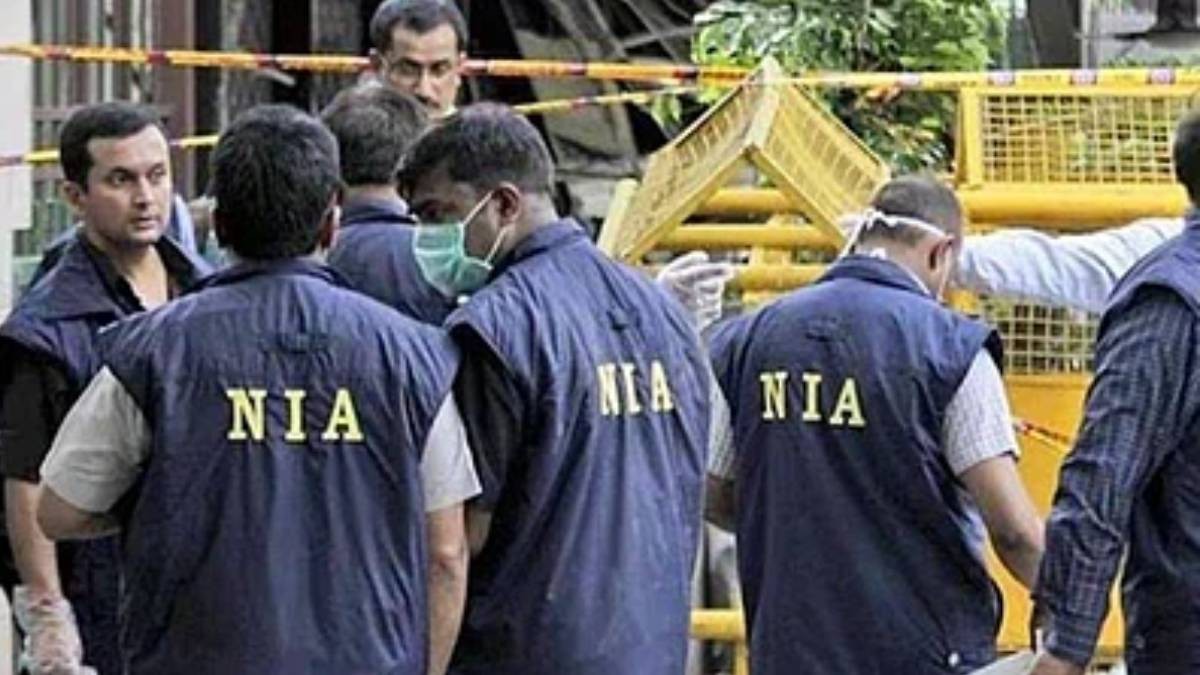
The Election Commission ordered the deployment of National Investigation Agency (NIA) teams in violence-prone areas, including Bhangar, after a series of alarming incidents. On April 26, authorities recovered over 79 crude bombs from the house of a TMC worker, followed by additional blasts nearby. These discoveries prompted heightened security measures to ensure voter safety and prevent further unrest.
The move has sparked political debate. TMC leaders have criticized the NIA’s presence, calling it an act of “central overreach” that could intimidate voters. In contrast, BJP leaders argue that the deployment is essential to curb alleged violence and safeguard the democratic process. The contrasting narratives highlight the deep political fault lines in the state, where election campaigns have often been marred by clashes and accusations of intimidation.
By late morning, voter turnout had reached 40%, with reports of minor scuffles but no major disruptions. Election officials emphasized that the presence of central forces and NIA teams is intended to reassure voters and maintain order.
Observers note that the second phase is crucial, not only for the sheer number of constituencies involved but also for the symbolic weight of ensuring free and fair elections in a state often associated with volatile political contests. With tensions running high, the spotlight remains firmly on whether security measures can balance voter confidence with political sensitivities.