Prime Minister Narendra Modi has reached a historic milestone, becoming India’s longest-serving elected head of government with an extraordinary tenure of 8,931 days in office as of March 22, 2026. This achievement surpasses the previous record held by former Sikkim Chief Minister Pawan Kumar Chamling, who served for 8,930 days.
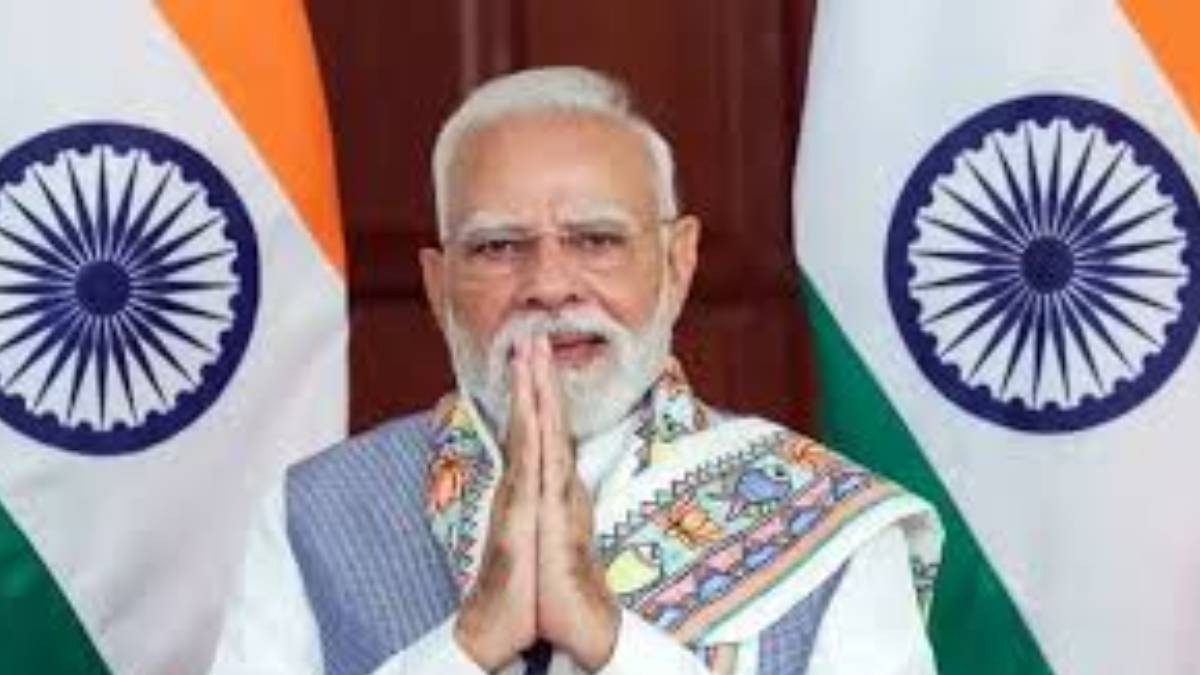
Modi’s journey began in October 2001, when he took charge as the Chief Minister of Gujarat. Over the next 13 years, he steered the state through rapid industrial growth and political consolidation. In May 2014, he rose to the national stage as Prime Minister, leading the Bharatiya Janata Party (BJP) to a sweeping victory. Since then, he has completed two full terms and is now serving his third consecutive term, a rare feat in Indian politics.
What makes this milestone remarkable is not just the length of service, but the consistency of electoral success. Modi has won three Gujarat Assembly elections and three Lok Sabha elections, each time strengthening his political base. His leadership has been marked by ambitious initiatives such as Digital India, Make in India, Swachh Bharat Abhiyan, and Atmanirbhar Bharat, alongside a strong emphasis on India’s global presence.
On a human level, this achievement reflects the trust of millions of voters who have repeatedly placed their faith in his leadership. It also highlights the resilience required to navigate two decades of political challenges—ranging from economic reforms and social debates to global crises and shifting geopolitical landscapes. For supporters, Modi’s record symbolizes stability and vision; for critics, it raises questions about the concentration of power and the future of Indian democracy.
As India marks this milestone, it is not just a statistic in history books—it is a moment that underscores how one leader’s journey has intertwined with the aspirations of a nation. Modi’s tenure is now part of India’s political legacy, shaping the country’s trajectory for generations to come.