
Prime Minister Narendra Modi has taken a conciliatory stance in response to the recent abusive video row involving students, choosing forgiveness over confrontation. In a statement that quickly gained traction, Modi emphasized the need to “guide the misguided,” underlining his belief that young people should be mentored rather than punished harshly for their mistakes.
The controversy began when a group of students circulated a video containing derogatory remarks directed at the Prime Minister. The incident sparked outrage across political and social circles, with many demanding strict action against those involved. However, Modi’s response has shifted the narrative, focusing on compassion and guidance rather than retribution.
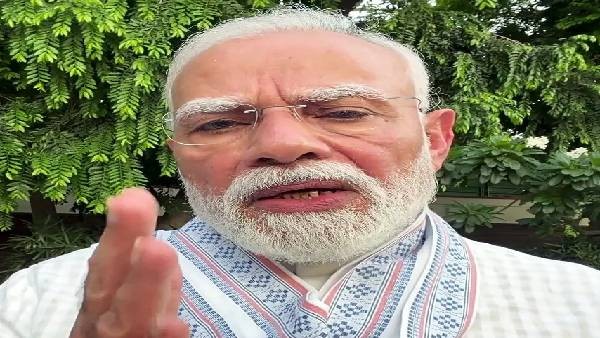
In his remarks, Modi acknowledged the emotional volatility of youth and stressed that mistakes made at a young age should not define an individual’s future. “They are our children. If they have gone astray, it is our duty to bring them back on the right path,” he said, reinforcing his message of forgiveness and responsibility.
Political analysts view Modi’s statement as a strategic move that reflects both leadership maturity and an effort to connect with India’s younger generation. By choosing to forgive, he has positioned himself as a mentor figure, appealing to values of patience, empathy, and resilience. This approach also resonates with his broader narrative of nation-building, where youth are seen as central to India’s progress.
The incident has sparked debates on the role of social media in shaping public discourse. Many argue that platforms amplify impulsive behavior among young users, often leading to controversies that escalate beyond control. Modi’s response, therefore, is being interpreted as a call for responsible digital citizenship and the importance of guiding youth in navigating online spaces.
Reactions from across the country have been mixed. Supporters praised Modi’s magnanimity, describing his forgiveness as a reflection of strong leadership. Critics, however, questioned whether such leniency might set a precedent for disrespectful behavior. Despite differing opinions, the Prime Minister’s words have undeniably shifted the focus from punishment to mentorship.
The episode also highlights the delicate balance between freedom of expression and respect for public figures in a democracy. Modi’s decision to forgive rather than retaliate underscores his belief in dialogue and guidance as tools for addressing dissent.
As the controversy subsides, the Prime Minister’s message stands out as a reminder that leadership is not only about authority but also about compassion. His call to “guide the misguided” reflects a vision of nurturing India’s youth, ensuring that mistakes become lessons rather than lifelong burdens