
Global energy markets are facing renewed turbulence as jet fuel prices have surged to record highs, creating ripple effects across industries worldwide. Airlines, logistics companies, and consumers are feeling the immediate impact, with analysts warning that the situation could significantly affect India’s aviation sector and broader economy.
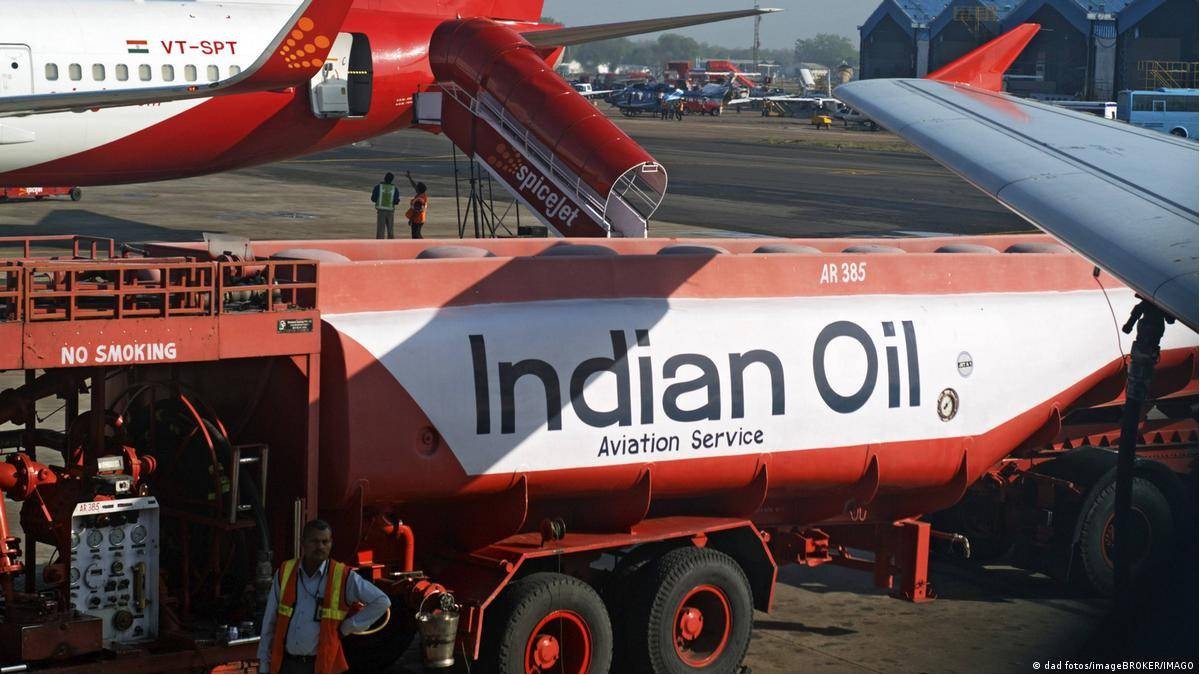
The spike in jet fuel costs is being driven by a combination of factors, including geopolitical tensions in the Middle East, supply chain disruptions, and rising crude oil benchmarks. For airlines, fuel expenses typically account for 30–40% of operating costs, meaning even modest increases can severely strain profitability. With prices now at historic levels, carriers are expected to raise ticket fares, reduce flight frequencies, or cut back on promotional offers to offset the burden.
In India, the aviation industry—already navigating post-pandemic recovery and competitive pricing pressures—is bracing for turbulence. Domestic carriers may struggle to maintain affordable fares, while international routes could see higher surcharges. Analysts caution that this could dampen passenger demand, particularly in the budget travel segment, and slow down the sector’s growth trajectory.
Beyond aviation, the logistics and freight industries are also under pressure. Rising fuel costs increase transportation expenses, which in turn push up the prices of goods across supply chains. Consumers are likely to face higher costs for essentials and imported products, adding to inflationary concerns.