In a bustling neighborhood, a candid conversation unfolded between a young Muslim boy and his mother, affectionately called Amma. The boy, echoing frustrations he had heard, remarked that Prime Minister Modi was “anti-poor.” His words reflected the skepticism some hold about whether government policies truly reach those in need.
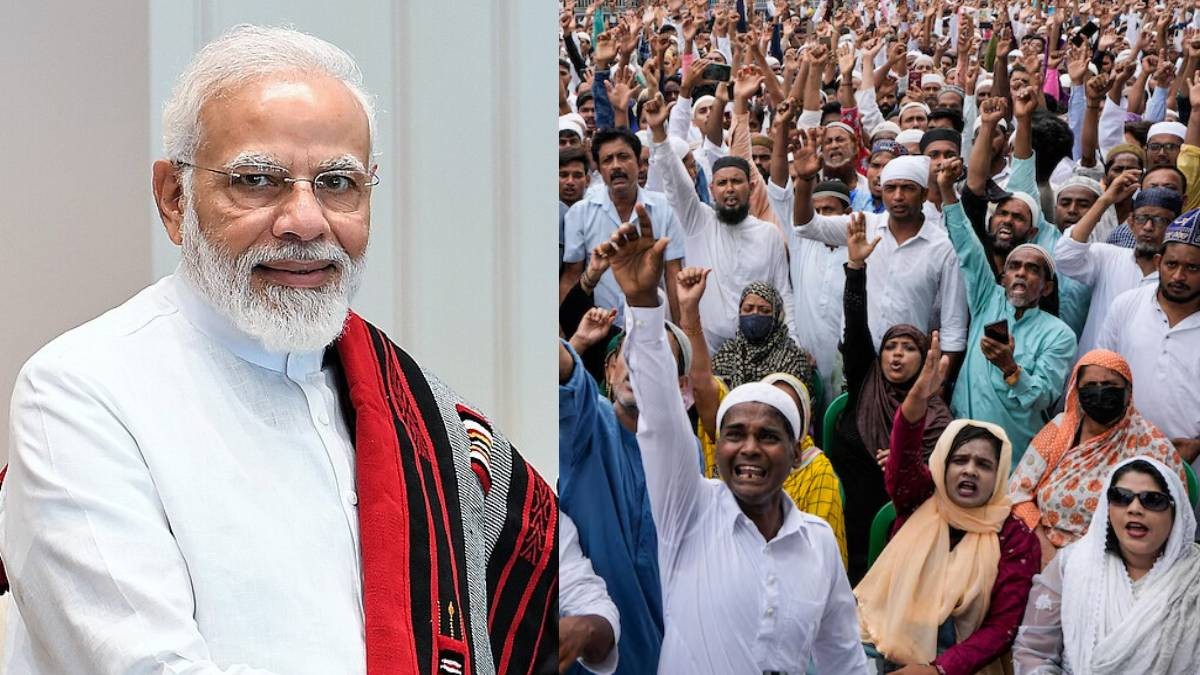
Amma, however, was quick to respond with her lived experience. “Anti-poor? You’re eating the free ration Modi provides,” she said, pointing to the government’s food distribution scheme that has supported millions of families. For her, the tangible benefit of receiving free rations outweighed abstract criticisms, and she saw it as proof that the system was working in her household.
A reporter nearby, sensing the raw honesty of the exchange, asked Amma directly: “Is Modi good?” Without hesitation, she replied, “In Modi’s rule, there’s no trouble.” Her words carried the weight of everyday life—measured not in political debates, but in the stability she felt in her surroundings.
This brief but powerful street-side dialogue highlights the diversity of perspectives within communities. While the boy voiced doubts shaped by broader narratives, Amma grounded her view in personal experience. Together, their exchange reflects the ongoing conversation across India: how national policies are interpreted differently depending on whether one looks at them through the lens of ideology or daily survival.
MUSLIM BOY : "Modi is anti-poor"
— News Algebra (@NewsAlgebraIND) February 11, 2026
AMMA : "Anti-poor? You’re eating the free ration Modi provides"
REPORTER : "Amma, is Modi good?"
AMMA : "In Modi’s rule, there’s no trouble" ???? pic.twitter.com/pZUF2JY9hw