
The Indian government has officially prohibited the use of Telegram across the country until June 22, 2026. This decision marks a significant development in the digital communication landscape, as Telegram has long been one of the most popular messaging platforms for individuals, businesses, and communities. The ban raises questions about the reasons behind such a move, its implications for millions of users, and the future of messaging services in India.
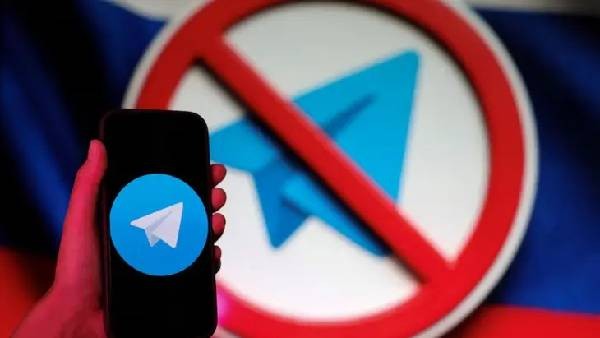
Telegram gained immense popularity in India due to its user-friendly interface, large group capacity, and strong privacy features. It became a hub for educational communities, professional groups, and entertainment channels. However, concerns about misuse of the platform, including unregulated content sharing and security risks, have often placed Telegram under scrutiny. The prohibition until mid-2026 suggests that authorities are taking a firm stance on regulating digital communication platforms to ensure compliance with national laws and security standards.
For users, the ban means a sudden disruption in daily communication and access to information. Many businesses that relied on Telegram channels for marketing, customer engagement, and community building will need to explore alternatives. Platforms such as WhatsApp, Signal, and Discord may see increased adoption as users migrate to continue their digital interactions. The transition, however, may not be seamless, as Telegram’s unique features—like massive group sizes and advanced file-sharing options—are not fully replicated by other apps.
The prohibition also highlights the broader debate about balancing freedom of digital communication with national security and regulatory oversight. While some argue that restrictions limit innovation and user choice, others believe that strong measures are necessary to curb misuse and protect citizens.
Looking ahead, the ban until June 22, 2026, provides a timeline for Telegram to potentially address regulatory concerns and align with India’s digital governance framework. Whether the platform will return stronger or remain excluded from the Indian market remains uncertain. In the meantime, users and businesses must adapt, finding new ways to stay connected and engaged in an evolving digital ecosystem