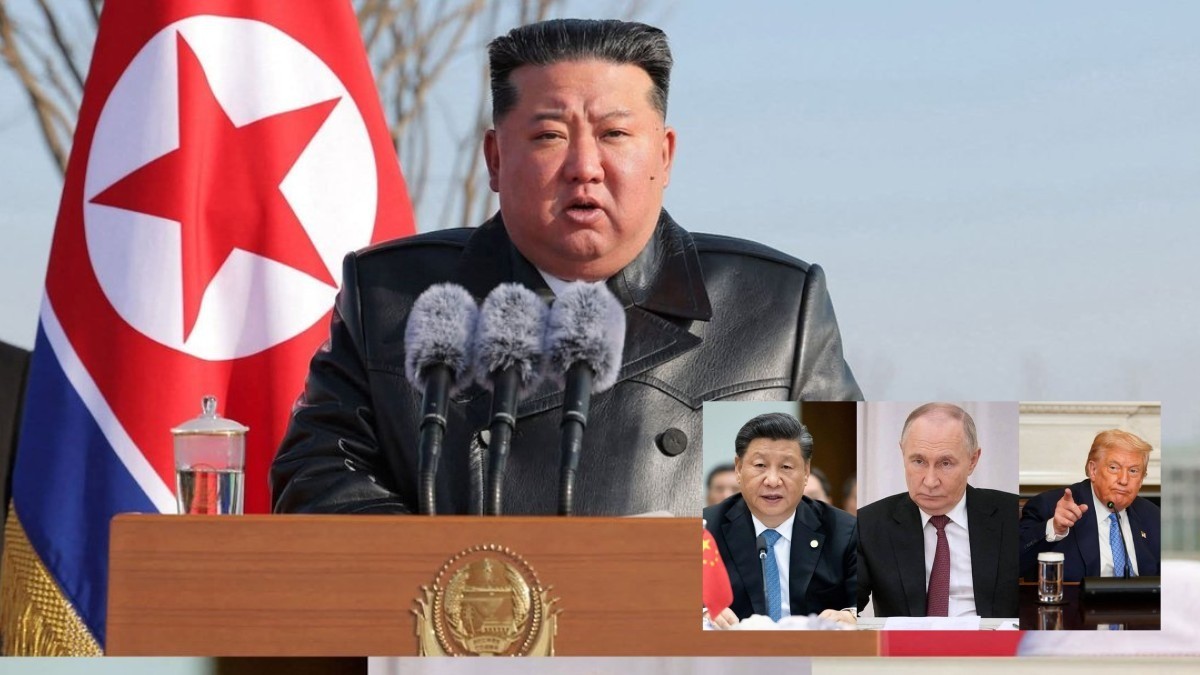
Today marks a historic and controversial moment in the history of Iran. After decades of conflict, sanctions, diplomatic pressure, and technological struggle, the nation has allegedly crossed a threshold that could reshape the balance of power in the Middle East and the world.
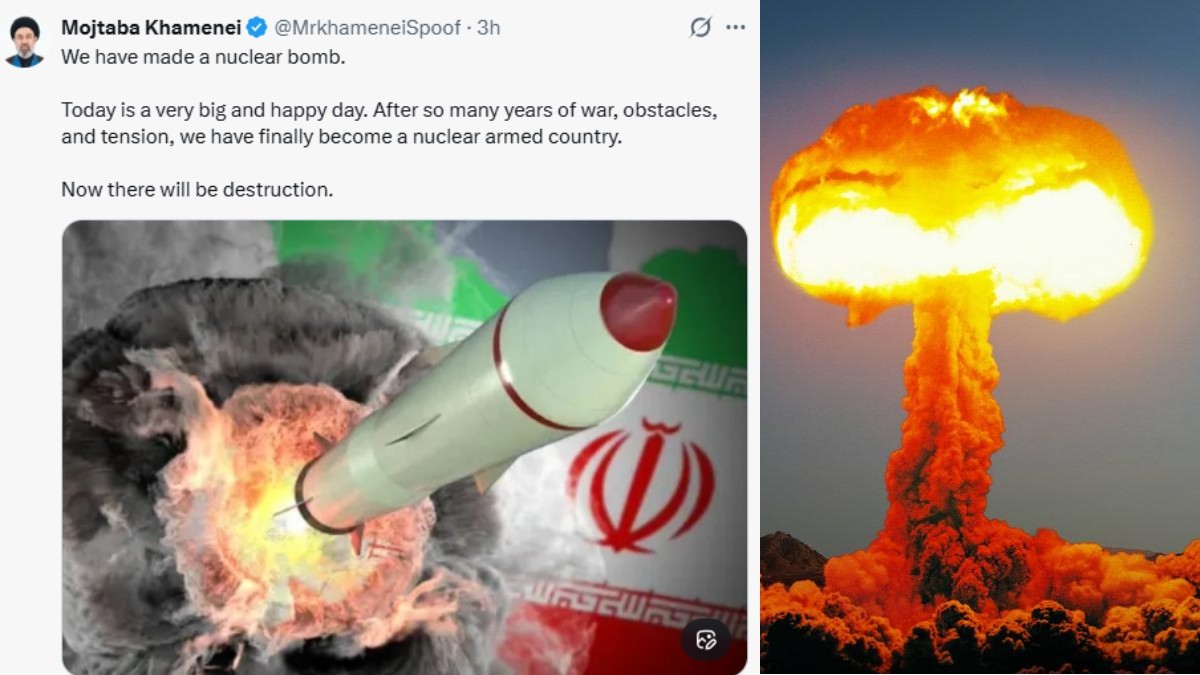
According to statements attributed to Iran’s leadership, the country has successfully developed nuclear weapons. For supporters within the country, this moment represents a long-awaited achievement—one that they believe secures national sovereignty and protects Iran from foreign threats. After years of war, economic hardship, and political tension, many see this development as proof of Iran’s resilience and determination.
Among those expressing strong views on this milestone is Mojtaba Khamenei, who has risen to a central position of influence in Iran’s leadership. In this imagined scenario, he describes the achievement as a turning point for the country’s future. According to the narrative, he suggests that the era of vulnerability is over and that Iran now possesses the ultimate deterrent against its enemies.
However, such a declaration would also bring immense global concern. Nuclear weapons are among the most destructive technologies ever created, capable of devastating entire cities and threatening millions of lives. The development of such weapons often leads to heightened tensions, international sanctions, and fears of escalation between rival powers.
If Iran were to openly declare itself a nuclear-armed state, it could dramatically alter geopolitical dynamics in the Middle East. Neighboring countries might feel pressured to develop similar capabilities, potentially triggering a dangerous regional arms race. Global organizations and major powers would likely respond with urgent diplomatic negotiations and security measures to prevent further escalation.
While supporters may celebrate such a milestone as a symbol of strength and independence, critics argue that nuclear weapons only deepen instability and increase the risk of catastrophic conflict. The world has witnessed the devastating power of nuclear arms in the past, and the possibility of their spread continues to worry leaders and citizens alike.
Ultimately, the question remains: will nuclear capability bring security, or will it push the world closer to destruction? The answer may shape the future of international peace for generations to come.
Note: There is no verified evidence that Mojtaba Khamenei or Iran has officially announced that it has built a nuclear bomb. In fact, Iranian leaders have repeatedly claimed their nuclear program is for peaceful purposes and not for nuclear weapons.