
A report about a potential life-extending drug developed in China has sparked huge interest online, with claims suggesting that the treatment could eventually help humans live as long as 150 years. However, the science behind the headline needs some important context: the reported results are based on animal studies, and there is currently no evidence that the drug can extend human lifespan to 150 years.
One of the most widely discussed Chinese longevity candidates is SRN-901, a drug developed through collaboration involving researchers from Tsinghua University, Sinopharm-Seragon and US-based Seragon Biosciences. In preclinical experiments, researchers reported that treated mice experienced a one-third increase in median remaining lifespan, along with improvements in several measures associated with ageing.
What Happened in the Mouse Experiments?
According to the published research, SRN-901 targets multiple biological pathways associated with ageing. The researchers reported that mice receiving the treatment showed a 70% slowdown in measured ageing speed, a reduction in tumour incidence and a lower overall mortality risk compared with controls.
These findings are potentially significant for longevity research, but they remain preclinical results. A treatment that extends the lifespan of mice does not automatically produce the same effect in humans.
Where Did the 150-Year Claim Come From?
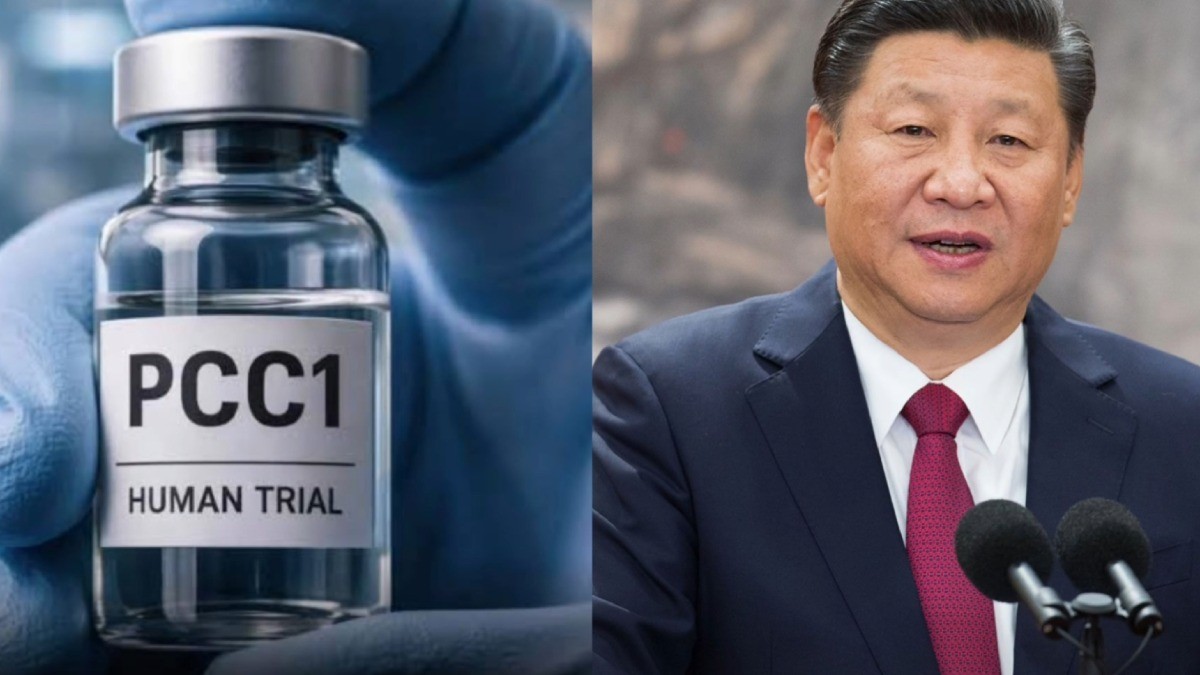
The idea that humans could eventually reach 150 years has been associated with broader developments in China's rapidly expanding longevity industry. In 2025, Shenzhen-based Lonvi Biosciences attracted attention after claiming that its grape-seed-derived formulation containing Procyanidin C1 (PCC1) could contribute to substantially longer lifespans. The company cited mouse experiments in which its formulation increased overall lifespan by 9.4%.
However, claims about humans reaching 150 years remain hypothetical. Nature has noted that researchers are investigating whether major increases in healthy human lifespan are biologically achievable, but there is no established treatment capable of delivering a 150-year human lifespan.
China’s Growing Longevity Research
China has become increasingly active in ageing and longevity research. Scientists there are investigating several approaches, including drugs targeting senescent cells, cellular reprogramming and biological pathways linked to ageing.
A separate 2026 study published in Cell found that restoring certain circadian rhythms extended lifespan and reversed ageing-related biomarkers in male mice. The research involved scientists from several Chinese institutions, including the National Institute of Biological Sciences in Beijing and Tsinghua University.
Other 2026 research has also demonstrated lifespan or healthspan improvements in mice through approaches targeting metabolism and ageing-related cellular processes.
Can Humans Live to 150?
There is currently no scientific evidence that a drug can make humans live to 150 years. Mouse experiments are an important first step, but researchers must establish safety, effectiveness and appropriate dosing through increasingly rigorous studies before any longevity treatment can be considered for widespread human use.
The latest developments are nevertheless significant because they suggest that scientists are moving beyond simply treating individual age-related diseases and are increasingly investigating the biological mechanisms of ageing itself.
For now, the claim that China has developed a drug that will allow humans to live to 150 should therefore be viewed as an ambitious possibility rather than a proven medical breakthrough.