
Chinese Ticking Bomb Near India: Experts Flag China's Monster Dam After Nepal Devastation
The devastating floods along the Nepal-Tibet border have renewed concerns over China's massive Medog hydropower project on the Yarlung Tsangpo River, which flows into India as the Siang and later becomes the Brahmaputra. Experts are warning that the scale and location of the proposed dam could create serious risks for India's northeastern states if a major natural disaster strikes the region.
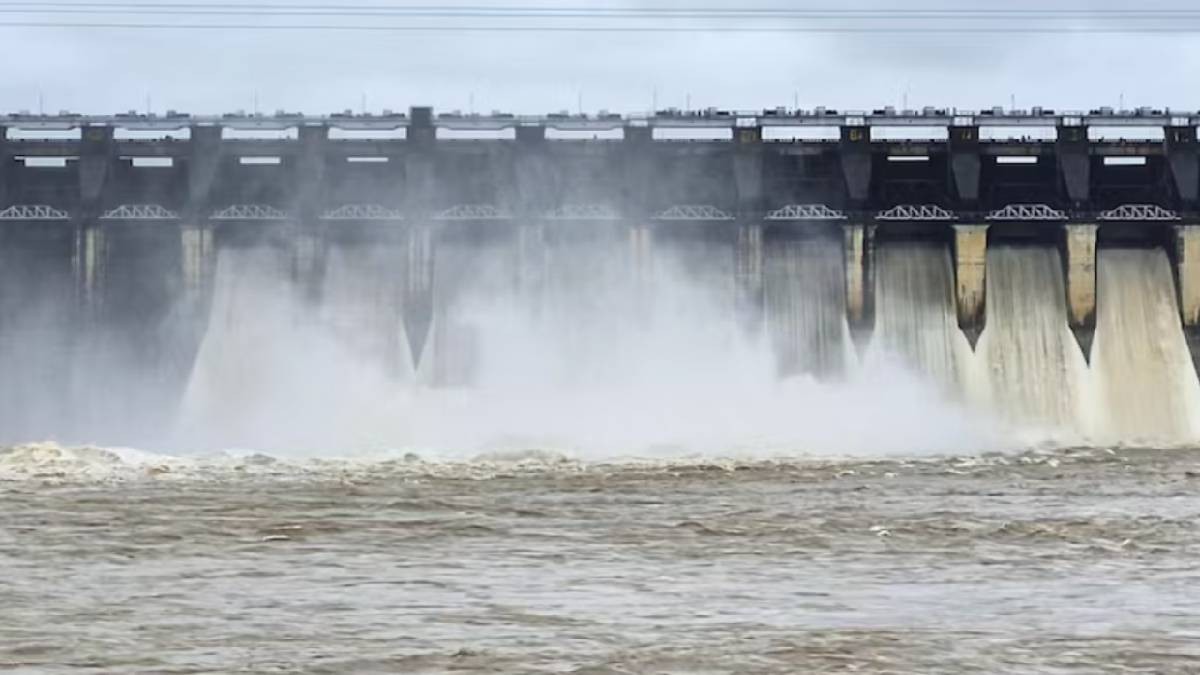
The Nepal disaster unfolded after a massive glacial collapse or ice-rock avalanche triggered a sudden surge of water, mud and debris. The floods devastated settlements, roads, bridges and infrastructure along the border. Reuters reported that the disaster left at least 162 people dead, with hundreds still missing.
Why China's Medog Dam Is Raising Alarm
China is constructing the Medog Dam in Tibet's Medog county on the Yarlung Tsangpo. The project is expected to have a generation capacity of around 60,000 MW, making it potentially the world's largest hydropower project. Beijing is reportedly targeting operations around 2033.
The dam is located close to India's Arunachal Pradesh and in a region known for significant seismic activity. Concerns intensified after a study by geologists associated with China's state geological survey identified the active Paizhen Fault beneath the planned dam site.
Because of the enormous volume of water and the challenging Himalayan terrain, some experts have described the project as a potential "water bomb." However, this is an expert characterization rather than an established prediction that the dam will fail.
Why India Is Concerned
The Yarlung Tsangpo enters India through Arunachal Pradesh, where it is known as the Siang, before joining the Brahmaputra system through Assam and eventually flowing into Bangladesh.
India's concerns include possible changes to downstream water flows, sediment movement, ecology and flood patterns. A sudden release of water during extreme weather or a structural emergency could potentially have consequences downstream.
China's control over the river's upper reaches also gives the project strategic importance. India therefore remains closely concerned about how the dam could affect water security and communities in Arunachal Pradesh and Assam.
Nepal Floods Highlight Himalayan Vulnerability
Scientists have increasingly warned about the growing risks posed by melting glaciers, unstable ice and glacial lakes across the Himalayas. Research published in 2026 has documented transboundary glacial lake outburst flood risks along China-Nepal basins, showing how rapidly developing glacial hazards can affect communities across borders.
The latest Nepal disaster therefore provides a stark reminder of how quickly natural events in the Himalayan region can produce catastrophic downstream flooding.
India's challenge will be to strengthen monitoring, early-warning systems and cross-border hydrological information sharing while closely assessing the long-term environmental and safety implications of the Medog project.