
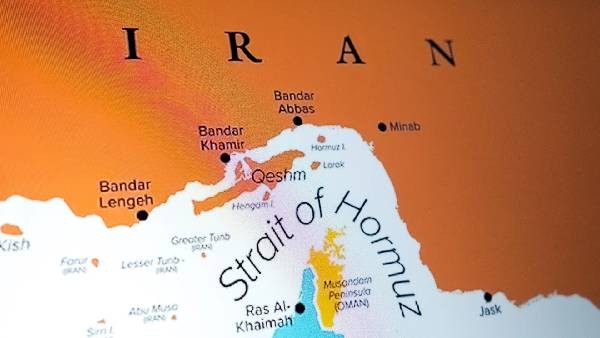
Iran has declared the closure of the Strait of Hormuz following reported U.S. military strikes in the region. This decision marks a significant escalation in tensions, as the strait is one of the world’s most critical maritime chokepoints, through which nearly one-fifth of global oil trade passes.
Strategic Importance
The Strait of Hormuz connects the Persian Gulf with the Arabian Sea and is vital for international energy supplies. Any disruption in this passage has immediate implications for global oil prices, shipping routes, and geopolitical stability. Iran’s move to shut down the strait underscores its leverage in regional conflicts and its ability to influence global markets.
Global Reactions
Energy Markets: Oil prices surged immediately after the announcement, reflecting concerns over supply shortages.
International Community: Nations dependent on Gulf oil exports have expressed alarm, urging diplomatic resolution to avoid further instability.
Regional Neighbors: Gulf states are closely monitoring the situation, as their economies are directly tied to the free flow of oil through the strait.
Broader Context
The closure comes amid heightened tensions between Iran and the United States, with military confrontations adding to long-standing disputes over sanctions, nuclear programs, and regional influence. Analysts warn that prolonged disruption could trigger wider conflicts and strain alliances across the Middle East.
Looking Ahead
While Iran’s announcement signals a firm stance, the long-term impact will depend on whether diplomatic channels can de-escalate the situation. The Strait of Hormuz has historically been a flashpoint, and its closure highlights the fragile balance of power in the region.