
In a significant development for global trade and energy markets, Iran has reopened the Strait of Hormuz to commercial shipping amid a temporary ceasefire. The move, announced after sustained U.S. pressure beginning March 19, has eased fears over disruptions in one of the world’s most critical waterways, which handles nearly 20% of global oil shipments.
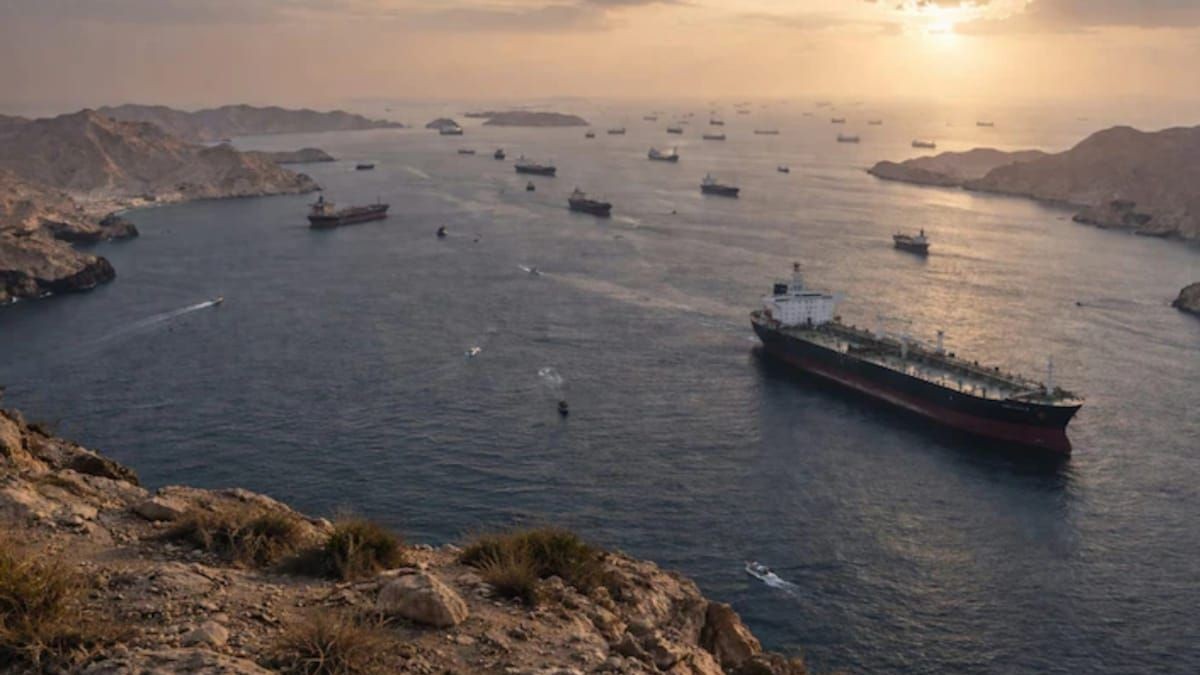
President Donald Trump hailed the reopening as a “major win,” thanking Gulf allies for their cooperation while maintaining a naval blockade on Iranian ports until a comprehensive peace agreement is reached. The reopening has already had a dramatic impact on energy prices, with crude oil dropping more than 10%, settling between $83 and $85 per barrel.
Despite the breakthrough, Iran has imposed strict conditions on the passage of vessels. Authorities in Tehran insist on vetting all ships, enforcing designated maritime routes, levying tolls, and continuing bans on U.S. and Israeli vessels. These stipulations highlight the fragile nature of the ceasefire and the potential for renewed tensions should disagreements escalate.
The reopening has been welcomed by global markets, particularly in Asia and Europe, where concerns over supply disruptions had driven volatility in recent weeks. Shipping companies are cautiously optimistic, though many remain wary of Iran’s threats to reclose the strait if negotiations falter. Analysts note that while the current arrangement provides short-term relief, the long-term stability of the Strait of Hormuz will depend on sustained diplomatic progress.
For Washington, the reopening represents both a strategic and symbolic victory. The U.S. has long viewed freedom of navigation in the Strait as essential to global economic stability, and the naval presence in the region underscores its commitment to ensuring uninterrupted trade. However, the continuation of the blockade on Iranian ports signals that the path to a full peace deal remains uncertain.
As the ceasefire holds, attention now turns to upcoming negotiations between Iran, the U.S., and regional powers. The stakes are high: any breakdown could once again threaten the flow of oil and heighten geopolitical tensions. For now, the reopening of the Strait of Hormuz offers a rare moment of relief in a region often defined by conflict and uncertainty.