
A recent New York Times investigation has revealed the scale of damage inflicted by Iranian strikes on U.S. military installations across the Middle East, underscoring the vulnerability of American forces in the region. At least 17 bases have been hit since the conflict began on February 28, causing losses estimated at more than $800 million. The strikes have forced nearly 40,000 personnel—excluding pilots—to relocate from their bases to temporary accommodations such as hotels, a stark illustration of how the war has disrupted daily operations.
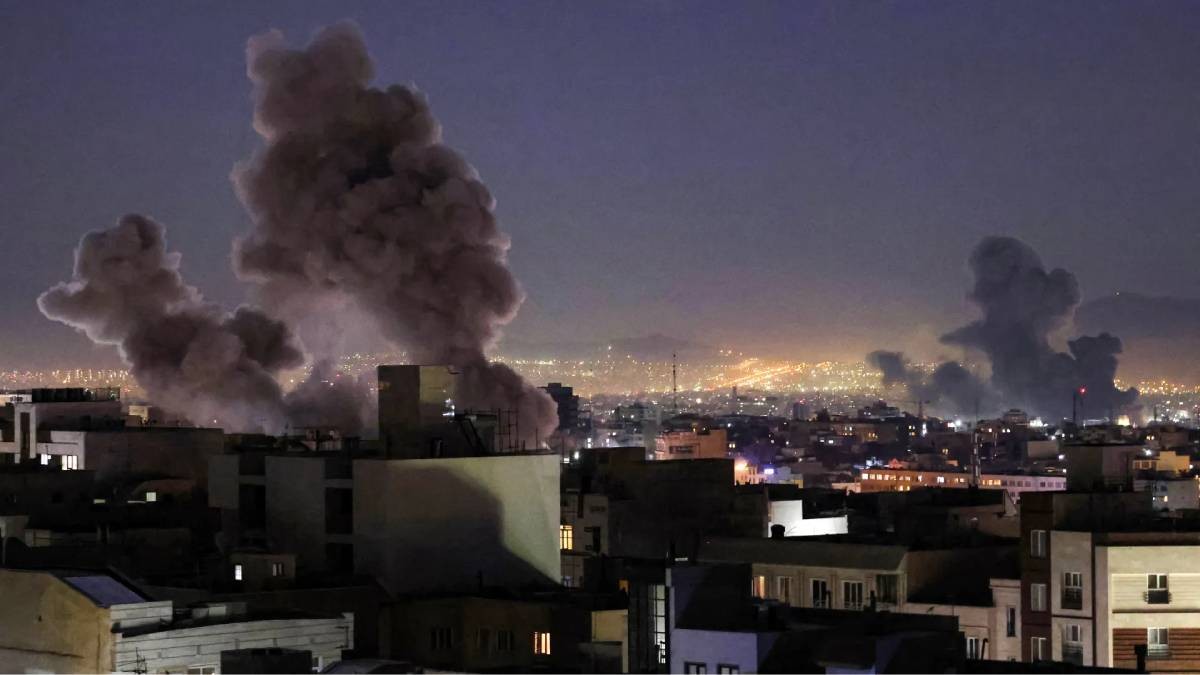
The most devastating attack occurred in Kuwait, where an Army operations center at Port Shuaiba was destroyed, killing six service members. This marked the first confirmed U.S. fatalities of the war. Overall, officials report 13 troops killed and 290 wounded, highlighting the human cost of the escalating confrontation.
In response, the U.S. military has adopted new strategies, including dispersing forces, evacuating personnel to Europe, and reinforcing positions with units such as the 82nd Airborne Division. American forces have also intensified their counterstrikes, hitting more than 7,000 Iranian targets in an effort to blunt Tehran’s offensive capabilities.
The developments reflect a rapidly shifting battlefield where U.S. troops are adapting to unconventional challenges, balancing the need for security with the imperative to maintain operational readiness. For many observers, the relocation of troops to hotels symbolizes both the precariousness of the current situation and the resilience of forces determined to continue their mission despite mounting risks.