
Japan has once again demonstrated its resilience in the face of seismic disaster, with a major earthquake highlighting the country’s advanced preparedness systems, strict building codes, and coordinated disaster response. Despite the scale of the tremors, Japan’s infrastructure and emergency planning significantly reduced casualties and damage compared to past catastrophes.
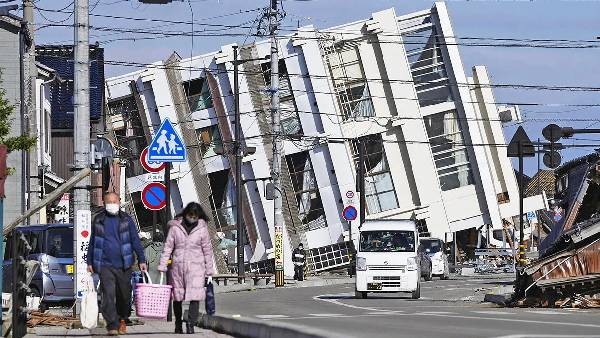
Japan’s Earthquake Resilience
Immediate Response
Early warning systems alerted residents seconds before the quake struck, allowing trains to halt and factories to shut down power safely.
Seismic circuit-breakers, now being widely installed across Tokyo and surrounding prefectures, automatically cut electricity to prevent fires during strong tremors.
Local governments activated evacuation plans, guiding residents to shelters designed to withstand both earthquakes and tsunamis.
Infrastructure Strength
Japan enforces strict building codes, requiring earthquake-resistant designs in homes, offices, and public facilities.
Bridges, highways, and rail systems are built with shock-absorbing technology, reducing collapse risks.
The National Research Institute for Earth Science and Disaster Resilience (NIED) continuously tests structures using large-scale simulators to improve safety standards.
Government Measures
The Cabinet Office has revised its megaquake preparedness plan, aiming to cut projected fatalities and property losses by half.
A new Disaster Management Agency is set to launch in 2026, serving as a central command for earthquake response and recovery.
Japan also promotes international cooperation in disaster reduction, sharing its expertise with countries vulnerable to seismic activity