
Court Ruling
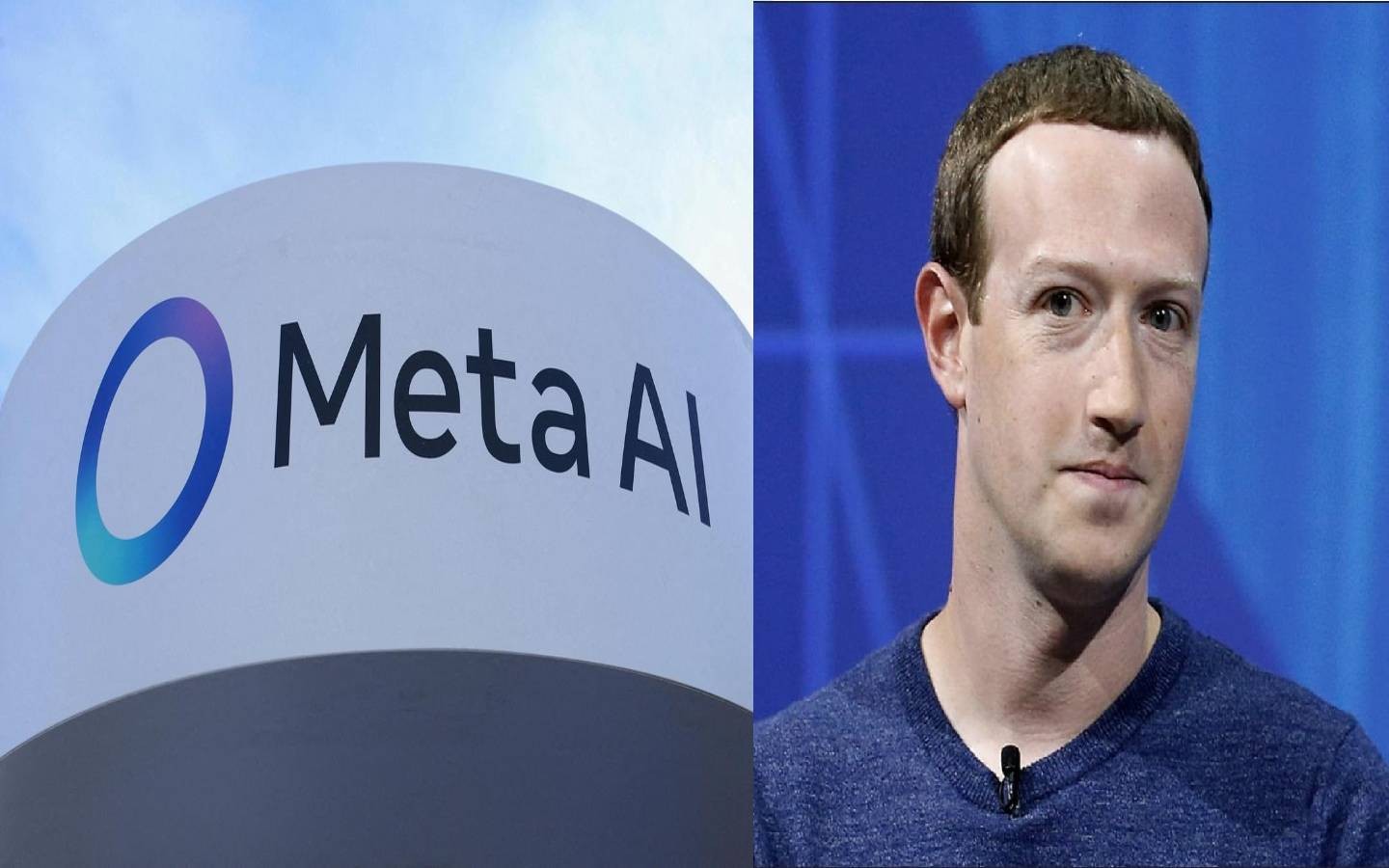
The New Mexico court found Meta guilty of failing to protect young users from harmful content and addictive platform designs. The lawsuit argued that Facebook and Instagram’s algorithms contributed to mental health issues among teenagers, including anxiety, depression, and body image concerns. The ruling ordered Meta to pay $567 million (₹5,000 crore) in damages, sending a strong message about corporate responsibility in the digital age.
Impact on Meta
This penalty adds to Meta’s growing list of legal challenges worldwide. Regulators in the U.S. and Europe have already scrutinized the company for privacy violations, misinformation, and monopolistic practices. The New Mexico ruling intensifies pressure on Meta to reform its platform policies, especially regarding youth safety and mental health protections.
Broader Implications
The case highlights the increasing global demand for social media accountability. Governments and advocacy groups argue that platforms must prioritize user well-being over profit-driven engagement strategies. The ruling could inspire similar lawsuits in other jurisdictions, potentially reshaping how tech companies design and regulate their platforms.
Meta’s Response
While Meta has not yet issued a detailed statement, the company is expected to appeal the ruling. Historically, Meta has defended its platforms by emphasizing parental controls, safety tools, and ongoing investments in AI moderation. However, critics argue these measures remain insufficient given the scale of harm reported among young users.
Conclusion
The ₹5,000 crore penalty against Meta is more than just a financial blow—it represents a turning point in the debate over social media’s responsibility toward youth. As governments tighten regulations and courts demand accountability, Meta and other tech giants may be forced to rethink their business models to ensure safer digital spaces for the next generation