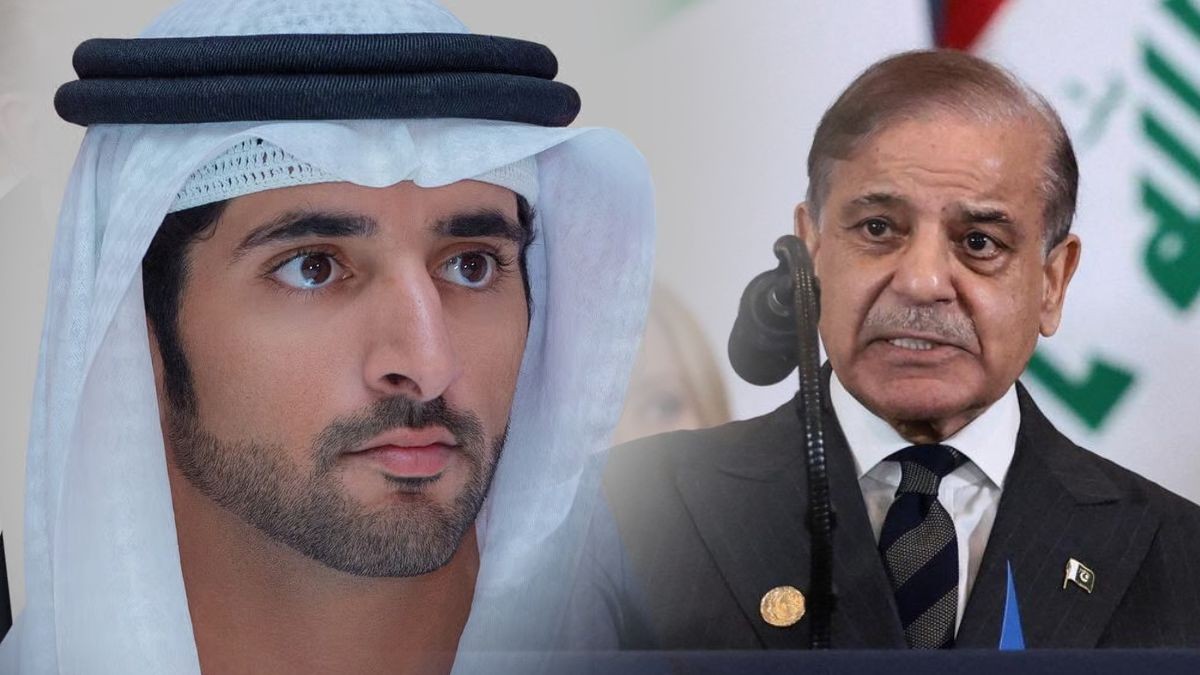
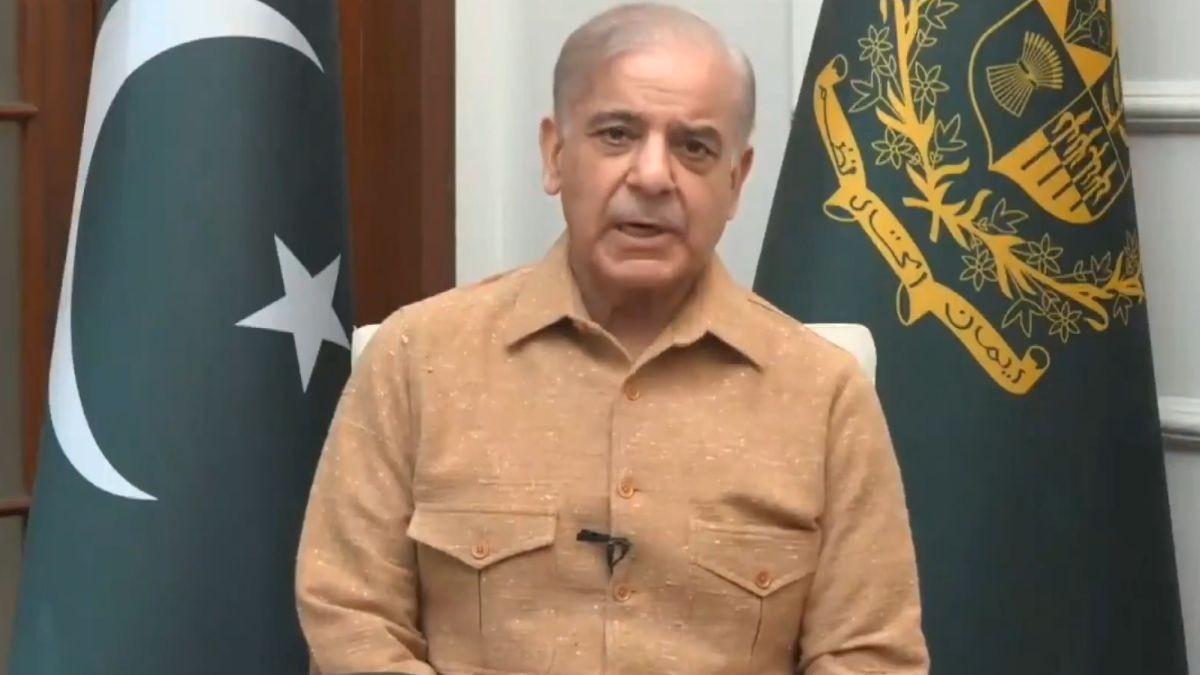
Pakistan is grappling with a deepening financial crisis as key allies demand repayment of billions in loans. During a recent address, Prime Minister Shehbaz Sharif appeared visibly emotional, acknowledging the country’s dire economic situation. His remarks underscored the growing strain on Islamabad’s ability to manage external debt while balancing domestic challenges.
Reports indicate that the United Arab Emirates (UAE) has formally pressed Pakistan to repay outstanding loans worth billions of dollars. This demand comes at a time when Pakistan’s foreign reserves are already under severe pressure, raising concerns about the government’s ability to meet its obligations without external support.
Meanwhile, Saudi Arabia and China—two of Pakistan’s most significant partners—are also reportedly seeking repayment of dues. Both nations have historically provided financial assistance to Pakistan, but the current geopolitical climate and ongoing war in Iran have complicated matters. Analysts suggest that Islamabad’s reliance on short-term loans has left it vulnerable to sudden repayment demands.
The combination of regional instability and financial stress has placed Pakistan in a precarious position. As the Iran conflict continues to disrupt trade and energy markets, Islamabad faces mounting pressure to secure new funding sources or negotiate relief from creditors. The coming months will be critical in determining whether Pakistan can stabilize its economy or slide deeper into crisis.
BIG NEWS ???? UAE, Saudi Arabia, China demand Billions in Dues.
— News Algebra (@NewsAlgebraIND) April 4, 2026
Shehbaz Sharif almost crying in his address amid financial crisis
As the Iran war continues, Pakistan is facing growing financial pressure from key allies.
UAE has demanded repayment of billions in loans.… https://t.co/NVWWRXxRe0 pic.twitter.com/sbsuJXopMs