
Prime Minister Narendra Modi has concluded an extensive series of official visits to 11 countries between mid-May and early July, strengthening India's diplomatic, economic, and strategic partnerships across multiple regions. The overseas engagements focused on expanding cooperation in defense, energy, technology, trade, and investment, with government officials highlighting the visits as a major boost to India's global outreach.
According to official figures cited by the government, the first phase of the diplomatic tour helped unlock investment commitments worth more than $40 billion. During the visits, India signed numerous Memorandums of Understanding (MoUs) and cooperation agreements covering sectors such as semiconductor manufacturing, clean energy, critical minerals, defense production, digital technology, and advanced research.
Among the key destinations were the United Arab Emirates, France, Australia, and New Zealand, where discussions centered on strengthening bilateral relations and exploring new opportunities for economic collaboration. Defense cooperation featured prominently, with agreements involving missile technology, military partnerships, and joint production initiatives. Energy security also remained a priority, with talks aimed at ensuring reliable supplies of oil, gas, and uranium to support India's growing economy.
Technology partnerships formed another major pillar of the tour. Several agreements focused on semiconductor development, artificial intelligence, digital infrastructure, and innovation, aligning with India's ambition to become a global manufacturing and technology hub.
The diplomatic visits have also sparked political debate back home. Congress leader Supriya Shrinate criticized the overseas tours, describing them as "vacation-packed." The remarks came after Prime Minister Modi urged citizens to avoid non-essential foreign travel amid rising global oil prices and economic uncertainties. Opposition leaders questioned the timing of the frequent international engagements.
However, supporters of the Prime Minister argue that the criticism overlooks the tangible outcomes of the visits. They point to the large number of signed agreements, investment commitments, and expanded strategic cooperation that could benefit India's long-term economic growth and national security.
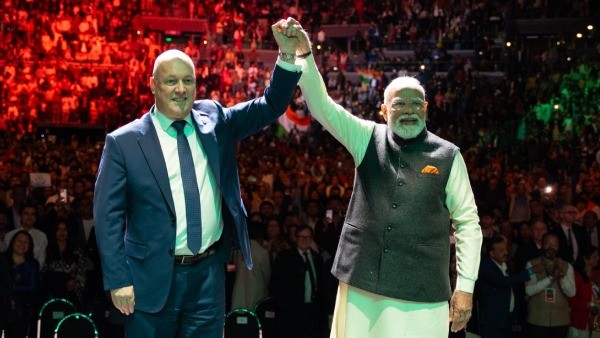
The overseas trips also witnessed enthusiastic participation from the Indian diaspora. One of the most notable receptions took place in Melbourne, where an estimated 25,000 to 30,000 members of the Indian community gathered to welcome the Prime Minister. Similar events in other countries highlighted the strong engagement between India and its global diaspora.
Analysts believe the series of diplomatic visits reflects India's increasing influence on the world stage. By strengthening relationships with major global partners while attracting fresh investments and technology collaborations, the government aims to advance its vision of self-reliance (Atmanirbhar Bharat) and position India as a leading force in global economic and strategic affairs.