
In Bangladesh, the integrity of the electoral process has come under sharp scrutiny after reports emerged of ballot papers being counted last night—hours before citizens were scheduled to cast their votes. For many, the sight of ballot boxes being opened and tallies being made in advance felt like a breach of trust, raising uncomfortable questions about what remains of the democratic exercise when results appear to be pre-determined.
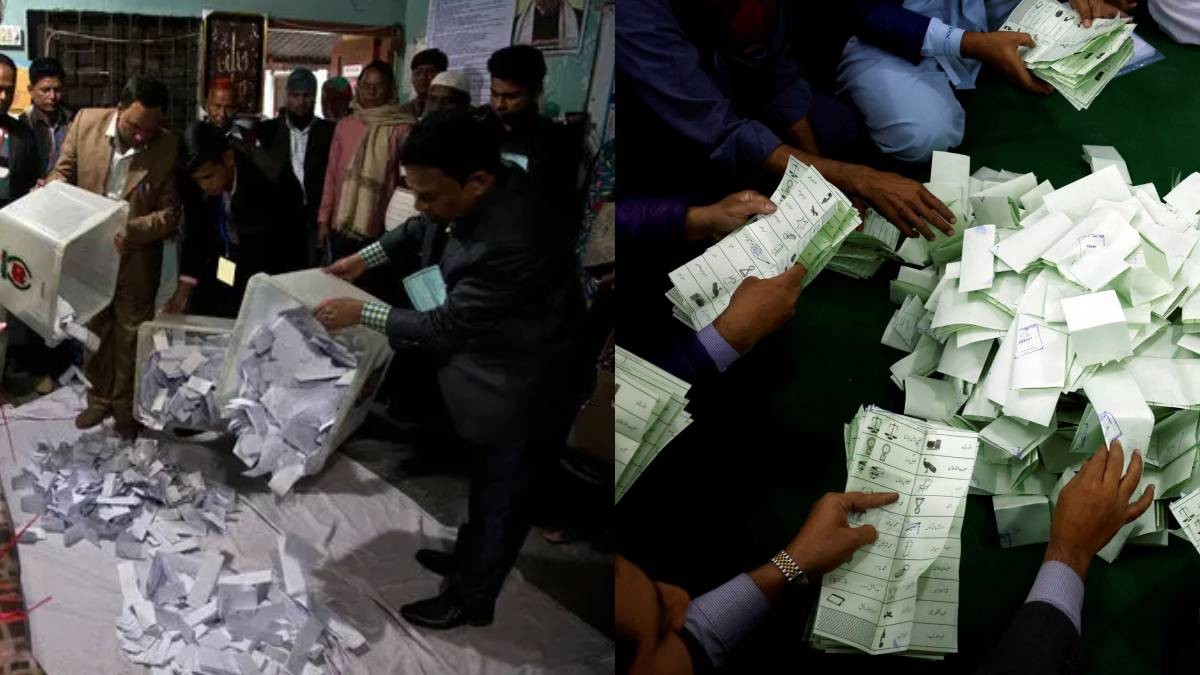
The heart of an election lies in its fairness: the assurance that every vote cast is respected and counted only after polling concludes. When counting begins prematurely, it undermines not just the mechanics of democracy but also the faith of ordinary people who line up at polling stations with hope and conviction. In towns and villages, conversations quickly shifted from anticipation of voting day to disbelief and frustration, as citizens wondered whether their participation would carry any real weight.
This incident has sparked widespread debate among observers and voters alike. Some see it as a symptom of deeper systemic issues, where transparency and accountability are compromised. Others fear that such practices erode the very foundation of democracy, leaving citizens disillusioned and disengaged. For those who cherish the right to vote, the act of casting a ballot is more than a civic duty—it is a statement of belonging and agency. To see that act diminished before it even happens is profoundly unsettling.
At its core, the controversy is not just about ballot papers or counting procedures—it is about trust. Elections are meant to be moments of collective decision-making, where the people’s voice shapes the nation’s future. When that process is tainted, the bond between citizens and institutions weakens. For Bangladeshis waking up to this news, the question is no longer just who will win, but whether the process itself can still be called an election.