In a dramatic turn of events, U.S. President Donald Trump proposed a 48-hour truce to ease tensions with Iran. The offer was intended as a temporary measure to create space for dialogue and reduce immediate hostilities. However, the Iranian Foreign Minister swiftly rejected the proposal, stating that such a truce was “not necessary.”
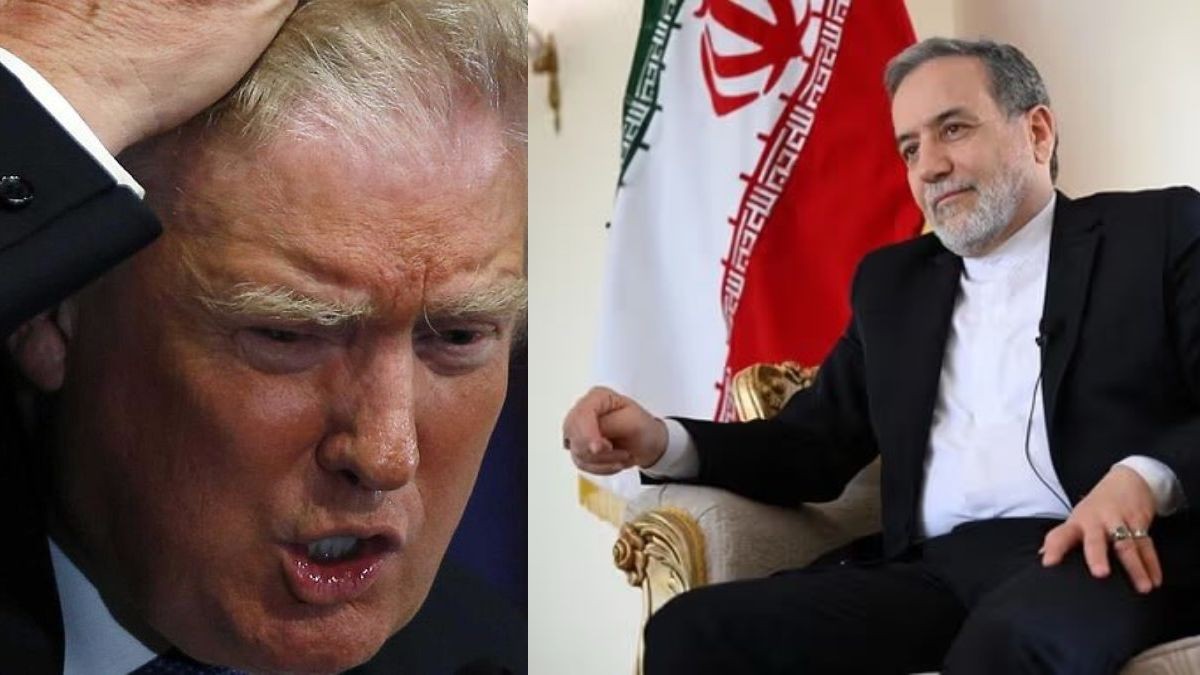
Following the rejection, Trump attempted to push forward negotiations by presenting 15 points for discussion. These were designed to serve as a framework for potential compromise. Yet, the Iranian side dismissed the entire set, declaring that “all of them are unacceptable.” This firm stance underscored the widening gap between the two governments.
Undeterred, Trump suggested that talks could continue at the next scheduled meeting, hoping to keep diplomatic channels open. But the Iranian Foreign Minister once again shut down the possibility, announcing that Iran would not attend. The repeated refusals highlight the deep mistrust and unwillingness to engage under current conditions.
The exchange has intensified the perception that Iran remains a major challenge for the Trump administration. With negotiations stalled and both sides unwilling to yield, the situation reflects the broader difficulties of U.S.–Iran relations. For Washington, the absence of dialogue signals a diplomatic headache, while for Tehran, it demonstrates a strategy of resistance against external pressure.