
Delhi’s Draft EV Policy 2026 has proposed a major incentive for electric vehicle buyers, exempting road tax on EVs priced under ₹30 lakh. Hybrid vehicles will also benefit, though partially, with reduced tax rates compared to conventional petrol and diesel cars. The move is aimed at accelerating clean mobility adoption in the capital, which has been grappling with severe air pollution and rising fuel costs.
Key Highlights of the Policy
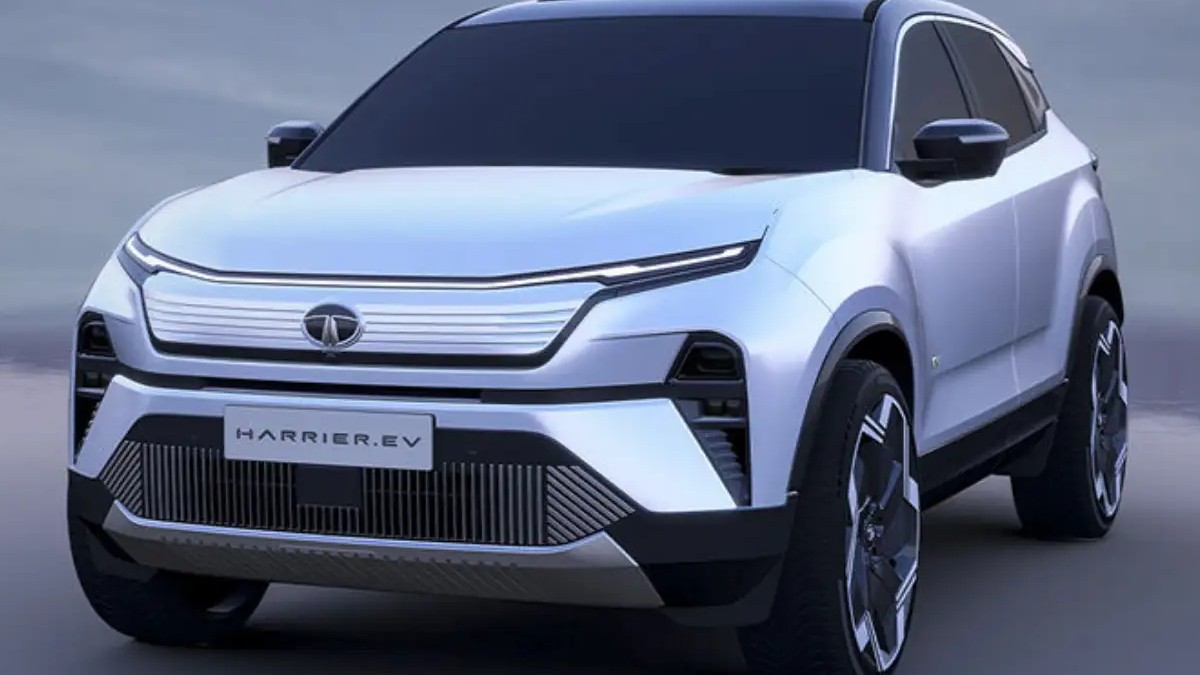
The draft policy specifies that all battery electric vehicles (BEVs) below ₹30 lakh will be exempt from road tax, making them more affordable for middle-class buyers. Premium EVs priced above this threshold will continue to attract tax, ensuring subsidies are targeted at mass-market adoption rather than luxury segments. Hybrid vehicles, which combine internal combustion engines with electric motors, will receive partial road tax relief, encouraging consumers to transition gradually toward cleaner technologies.
Impact on Consumers and Industry
For consumers, the exemption could translate into savings of several lakhs depending on the vehicle category, making EVs more competitive against traditional cars. Automakers are expected to benefit from increased demand, particularly in the compact and mid-size EV segments. Hybrid manufacturers too may see a boost, as partial tax cuts make their offerings more attractive to buyers hesitant about fully electric options. Industry experts believe this policy could significantly expand Delhi’s EV market share, especially in the sub-₹30 lakh bracket.
Broader Context and Outlook
Delhi’s draft policy aligns with India’s national push for 30% EV adoption by 2030, complementing central subsidies under the FAME scheme. By focusing on affordability, the government aims to reduce vehicular emissions and dependence on fossil fuels. Analysts suggest that if implemented effectively, the policy could set a precedent for other states, driving nationwide EV adoption. With hybrids included, the policy also acknowledges transitional technologies, offering consumers flexibility while steering the market toward a cleaner future.
Would you like me also to prepare a structured comparison table showing how Delhi’s EV tax incentives differ from other states like Maharashtra and Karnataka? That would highlight whether Delhi is leading or lagging in EV-friendly policies.