
Few films manage to leave audiences shaken long after the credits roll, but Dhurandhar 2: The Revenge has carved its place among them. For many viewers, one particular scene has become the emotional centerpiece of the film—a moment between a helpless brother and a hopeful sister. Each viewing seems to intensify the impact, hitting a raw nerve that speaks to universal themes of family, sacrifice, and resilience.
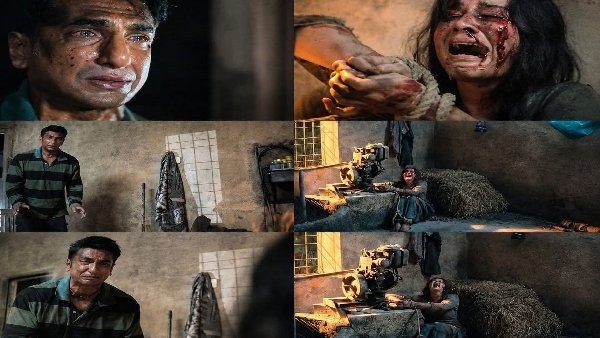
The brother’s helplessness is portrayed with haunting authenticity. His inability to protect or provide in that crucial moment reflects the crushing weight of vulnerability, a feeling that resonates with anyone who has faced circumstances beyond their control. The performance captures the silent agony of a man torn between love and powerlessness, making the audience share in his pain.
In contrast, the sister embodies hope. Her presence in the scene is a beacon of light amid darkness, symbolizing faith in redemption and the belief that even in despair, there is room for courage. Her hopeful gaze and words elevate the moment from tragedy to something profoundly human. It is this juxtaposition—helplessness against hope—that makes the scene unforgettable.
Together, the siblings’ dynamic encapsulates the emotional core of Dhurandhar 2: The Revenge. It is not just a revenge saga but a story of relationships tested by adversity. The raw nerve it touches lies in its honesty: the reminder that family bonds can be both fragile and unbreakable, that despair and hope often coexist, and that cinema at its best mirrors the deepest truths of life.