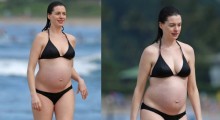
Reports and recent beach photographs of Anne Hathaway have sparked widespread discussion about pregnancy after the age of 40. While many fans have admired the actress's appearance in swimwear during her beach outing, the conversation has also raised an important question: Can the average woman become pregnant naturally at 43?
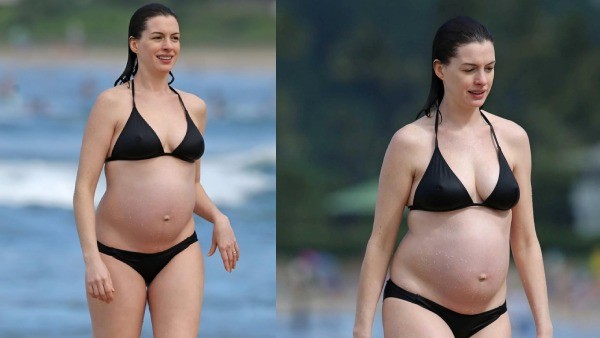
The answer is yes, but it becomes significantly more challenging. Many women in their early 40s do conceive naturally and go on to have healthy pregnancies. However, female fertility declines with age, particularly after 35, and the decline becomes more pronounced after 40.
One of the main reasons is that both the quantity and quality of a woman's eggs decrease over time. By age 43, natural conception is still possible, but the monthly chance of becoming pregnant is considerably lower than it is in a woman's 20s or early 30s. In addition, the risk of miscarriage, chromosomal abnormalities, gestational diabetes, and high blood pressure during pregnancy increases with maternal age.
That said, age alone does not determine fertility. Overall health, genetics, lifestyle, body weight, underlying medical conditions, and reproductive history all play important roles. Some women conceive naturally in their early-to-mid 40s without medical assistance, while others may require fertility treatments such as ovulation-inducing medications, in vitro fertilization (IVF), or donor eggs.
Celebrities often become pregnant later in life, leading many people to assume that pregnancy in the 40s is common and straightforward. However, it is important to remember that public figures usually have access to advanced fertility specialists, comprehensive prenatal care, and financial resources that may not be available to everyone. Additionally, celebrities do not always disclose whether conception occurred naturally or with assisted reproductive technologies.
Medical experts generally recommend that women over 35 who have been trying to conceive for six months without success consult a fertility specialist. Women over 40 are often advised to seek evaluation even sooner because fertility declines more rapidly with age.
Regardless of age, maintaining a healthy lifestyle can improve the chances of a successful pregnancy. Eating a balanced diet, exercising regularly, avoiding smoking, limiting alcohol, managing chronic health conditions, and receiving early prenatal care are all important for maternal and fetal health.
If Anne Hathaway is indeed expecting at 43, her pregnancy serves as a reminder that motherhood later in life is possible. However, every woman's fertility journey is unique, and outcomes vary widely. Anyone considering pregnancy in their 40s should seek personalized advice from a qualified healthcare professional to understand their individual fertility and pregnancy risks.